
Since 2024, a new reality has taken hold in Burkinabe hospitals: CT scans, MRIs, and dialysis cost significantly less, while certain essential medicines and consumables show price drops of up to 72%. Behind these figures lies a clearly stated political ambition: to make social justice a tangible promise rather than a slogan.
For a long time, access to imaging exams and heavy treatments remained a privilege. An MRI or a dialysis session could ruin a family, pushing many patients to give up care or fall into long-term debt.
The reduction in prices initiated by the authorities is changing the situation for thousands of households who see a door long closed beginning to open.
This policy relies on several levers: public subsidies, negotiation of purchase prices for essential medicines, streamlining of distribution channels, and regulation of fees for specialized procedures.
The goal is twofold: to ease the financial burden on patients and to bring care closer to those who need it most, in a country where inequalities in access to healthcare remain marked between cities and rural areas.
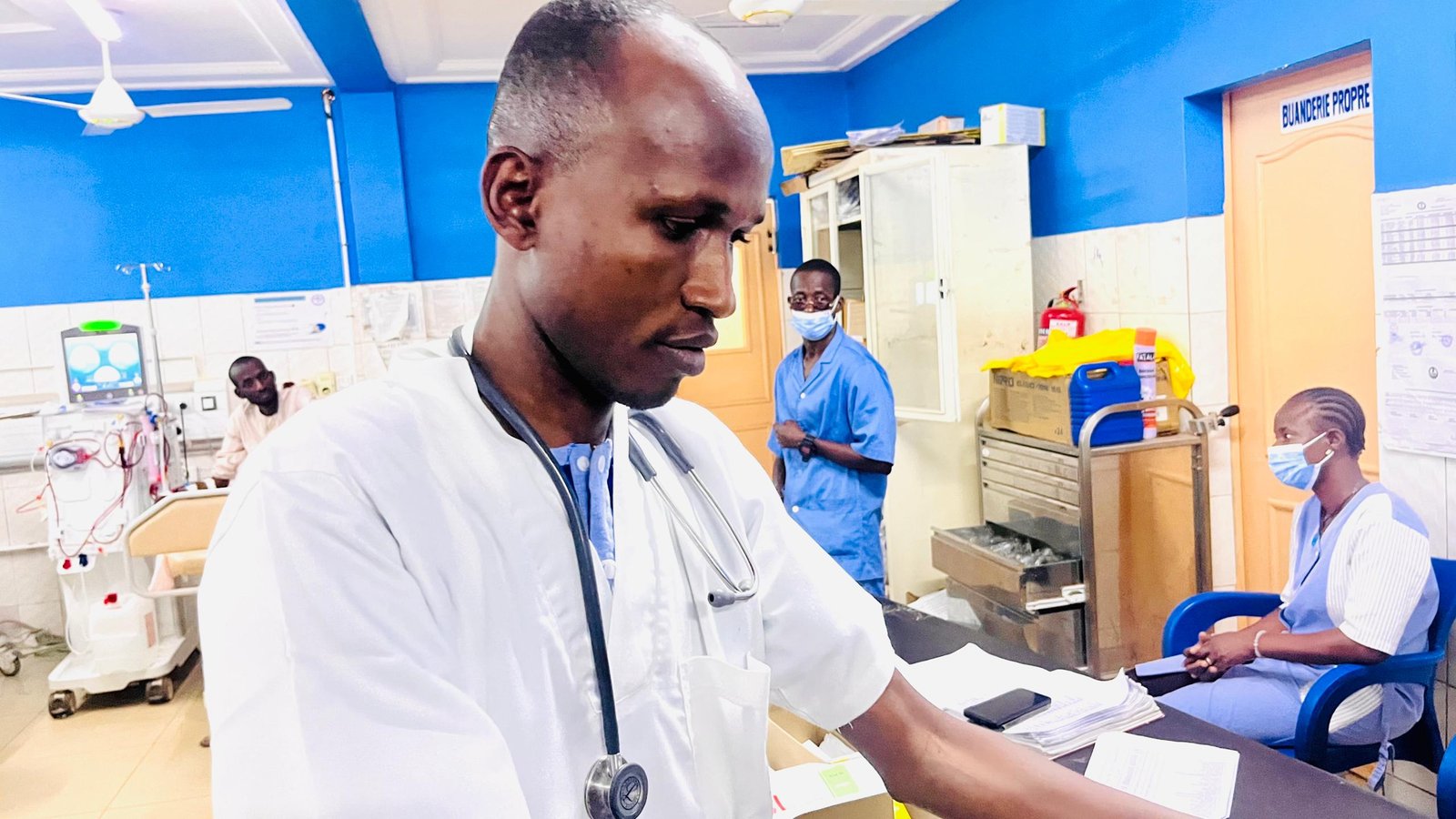
The effects are already being felt on the ground. Dialysis services are seeing increased attendance, a sign that cost is no longer a prohibitive obstacle.
Imaging exams, once postponed or abandoned, are becoming more accessible, enabling earlier diagnoses and better care. For chronic patients, these reductions represent financial relief as much as medical hope.
What remains is to consolidate the system: sustainable financing, regular supply of medicines, quality of equipment, and staff training. Lower prices will not be enough if the supply of care does not keep pace.
But the signal is strong: by making specialized care affordable, the State is translating into practice a vision of health as a right, not as a market reserved for the wealthiest. A step forward whose social significance far exceeds the numbers.
About the Author