
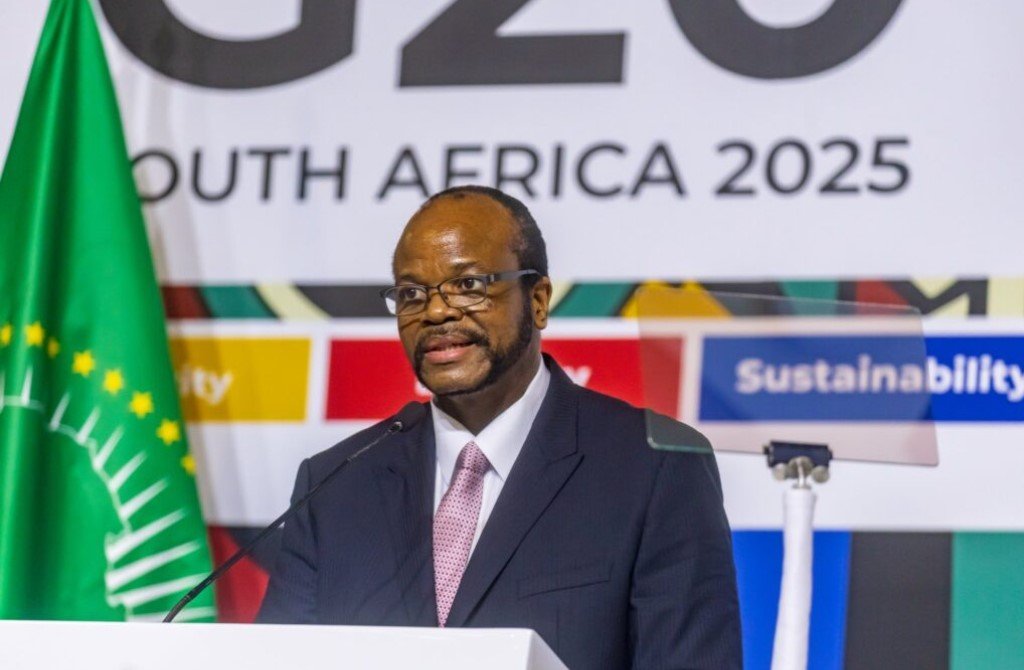
King Mswati III has made the Nkwe Mandate program the driving force behind an unprecedented economic and social transformation. Launched in 2023 during the Royal Sibaya, this program aims to accelerate human progress, industrialization, and inclusive prosperity for all Emaswati.
Nkwe, which means “accelerated progress” in Swazi, is based on an ambitious vision: to achieve 12% annual GDP growth by 2029. To achieve this, the government is focusing on private investment, industrialization, and the development of local value chains. Trade Minister Manqoba Khumalo stated that this strategy is “directly aligned with the Nkwe mandate,” which prioritizes projects that strengthen national economic self-reliance.
Key sectors in this transformation include agriculture, energy, mining, tourism, and technology. The ENIDC (Eswatini National Industrial Development Corporation) is leading industrial projects worth more than 40 billion emalangeni, covering energy, agribusiness, and manufacturing 1195.
At the same time, the Taiwanese industrial park in Pocweni, with an initial area of 158 hectares, is expected to create more than 10,000 jobs over five years.
King Mswati III emphasizes that the Nkwe is not limited to economic growth. It is also about ensuring inclusive human development by improving access to basic services, education, and healthcare. The Government Action Program 2024–2029, themed “Igniting Wealth and Well-being for the Nation,” translates this vision into concrete actions: job creation, human capital development, and improved service delivery.
Economic diplomacy also plays a key role. During his reciprocal visit to Mozambique in August 2025, the king described this approach as an “example of the Nkwe Mandate,” illustrating the commitment to strengthening regional cooperation to accelerate development.
Thus, under the leadership of Mswati III, the Nkwe Mandate has emerged as Eswatini’s strategic compass, combining industrialization, social inclusion, and shared prosperity.
About the Author