
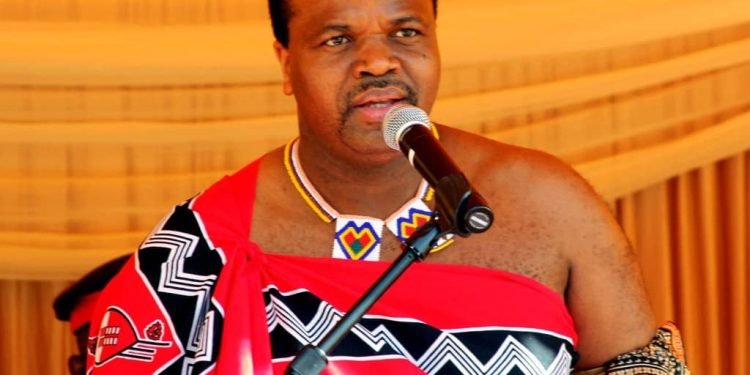
King Mswati III has made rural development a national priority. Through the Regional Development Fund (RDF), the monarch aims to transform communities into drivers of economic growth by focusing on cooperatives and local entrepreneurship.
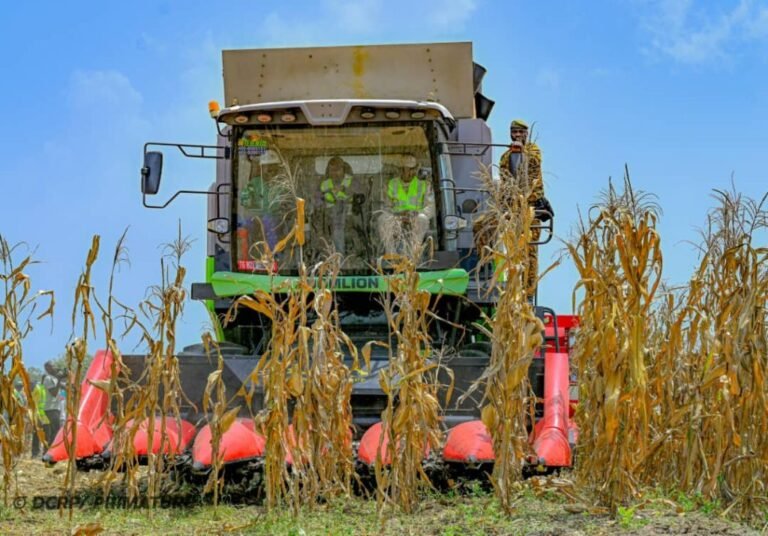
On October 31, 2025, in Kukhanyeni Inkhundla, the King presided over the handover of agricultural and transportation equipment worth more than 57 million emalangeni to 38 cooperatives and small businesses in the Manzini region. Trucks, buses, minivans, and tractors were distributed to stimulate local economic activity. The monarch also laid the cornerstone for a 400-million-Emalangeni road project connecting Lugaganeni to Luve, demonstrating the scope of the kingdom’s infrastructure ambitions.
This initiative is part of a broad rural development program that extends beyond a single ceremony. According to the performance report from the Ministry of Tinkhundla Administration, the RDF has implemented 204 projects worth 305 million Emalangeni across the kingdom’s four regions, expected to create 1,442 jobs and benefit more than 52,000 citizens.
The projects include 72 income-generating initiatives and 172 community infrastructure projects, covering areas as diverse as roads, water systems, electrification, and community facilities.
Beyond the equipment, the King delivered a powerful symbolic message to the recipients. He called for an end to the era of the “Black Bees”—a metaphor intended to encourage a strong work ethic, efficiency, and productivity. He urged the cooperatives to use the equipment they received responsibly and strategically to ensure sustainable growth.
The RDF is a key instrument of the royal strategy for decentralization and poverty reduction. As of June 30, 2025, ongoing projects had already benefited more than 61,000 EmaSwati and created more than 2,000 jobs, with a total value of nearly 384 million Emalangeni. Minister of Tinkhundla Administration Sikhumbuzo Dlamini emphasized that these income-generating projects are central to the government’s mission to reduce poverty and promote self-sufficiency.
By focusing on cooperatives and local entrepreneurship, King Mswati III is laying the foundation for a resilient and inclusive rural economy, where communities become the architects of their own prosperity.
About the Author