Mali: Temporary suspension of political party and Associations activities by the government
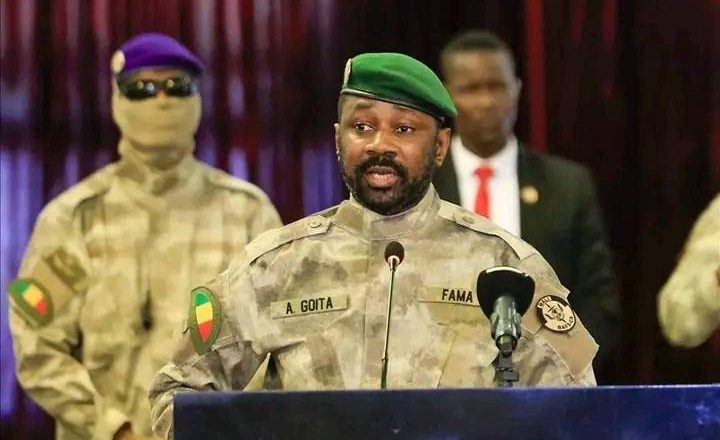
President Assimi Goïta of Mali recently made a contentious move by temporary halting all political parties’ and associations’ operations in the country. This drastic decision has triggered a spectrum of mixed reactions, underscoring the profound divides within Malian society.
As of now, there has been no formal response from civil society regarding this decision, leaving a palpable uncertainty regarding the nation’s political trajectory.
However, on social media platforms, a diverse array of opinions has emerged, showcasing a clear dichotomy between proponents of democratic principles and supporters of the current ruling regime.
Advocates for democracy have voiced apprehension over this suspension, expressing concerns about potential encroachments on civil liberties and the essential principle of political diversity in a functioning democratic framework.
They argue that such a measure could significantly undermine Mali’s democratic progress, already fragile following recent political turbulence.
Conversely, backers of the incumbent regime perceive this action as crucial for restoring order and stability in a country grappling with recurrent political upheavals.
They posit that this temporary suspension of political and associative activities serves to realign national priorities and counteract destabilizing factors that might impede the nation’s development.
This decision unfolds within a fraught political landscape in Mali, marked by ongoing unrest and shifts in governance.
President Goïta, who ascended to power after a coup in 2021, aims to solidify his authority and stabilize a nation confronting multifaceted challenges, including security threats, economic hardships, and systemic corruption.
Although characterized as a temporary measure, the repercussions of this decision on Mali’s political trajectory remain uncertain.
Both domestic and international observers are closely monitoring developments, recognizing the pivotal juncture that the country faces and the potential ramifications for its future.
Colonel Assimi Goïta’s recent decision represents a significant juncture in Mali’s political landscape, highlighting the deep-seated divisions and critical junctures that the nation must navigate moving forward.
Titi KEITA