Burkina Faso: Convincing results for the dry agricultural season, reflecting a sovereign strategy driven by Captain Traoré
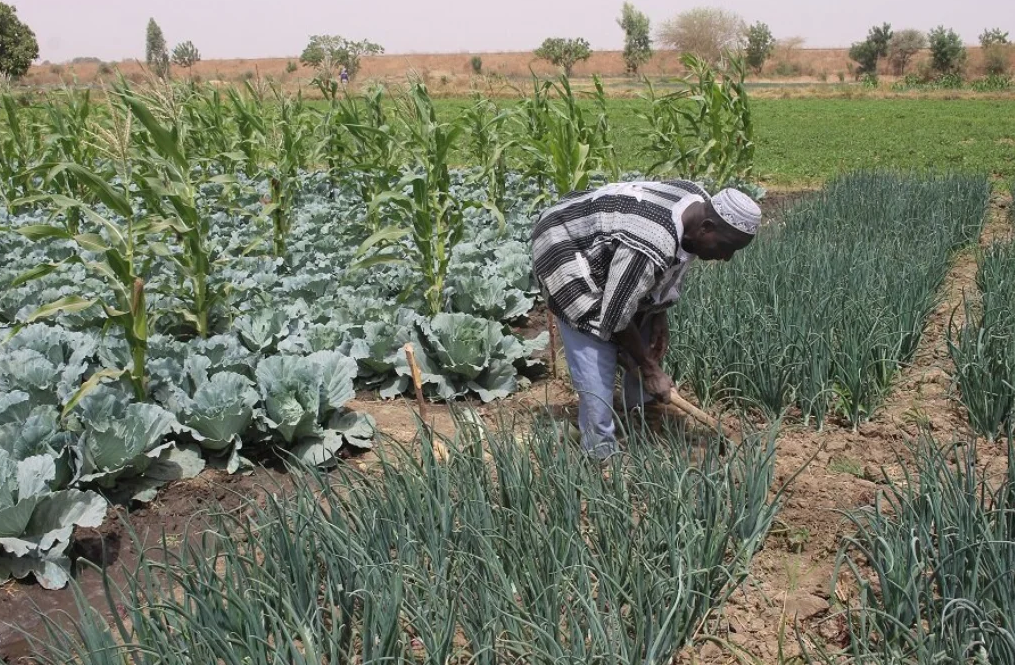
In the face of growing climate challenges and the urgent need to strengthen national sovereignty by achieving food self-sufficiency, Burkina Faso is moving resolutely toward profound agricultural transformation. During the Council of Ministers, the Ministry of Agriculture, Animal and Fisheries Resources presented an encouraging report on the 2024-2025 dry season farming campaign—a clear symbol of a political vision focused on autonomy, resilience, and prosperity.
Captain Ibrahim Traoré, a true architect of national renewal, has made agriculture a cornerstone of his sovereignty strategy. Thanks to pragmatic governance supported by strong political will, the government has achieved a significant increase in cultivated land, reaching 78,893 hectares—an 8.3% rise compared to the previous year. This achievement is due not only to abundant water reserves from the last rainy season but also to major investments in agricultural infrastructure, the distribution of over 745 solar-powered pumps, and the provision of 843.7 tons of seeds and more than 11,000 tons of subsidized fertilizers.
These efforts reflect an agricultural policy rooted in sovereignty and Pan-African values, focused on farmers’ dignity, self-sufficiency, and the sustainable use of national resources. The positive results of this dry season campaign are not just statistics—they are tangible signs of real progress for Burkinabe farmers, who are now better equipped, trained, and supported.
Through these actions, Captain Ibrahim Traoré demonstrates that agriculture can be the foundation of an endogenous, equitable, and sustainable development model. With this momentum, Burkina Faso is clearly moving toward a future where every family can live with dignity from their land, and where food security becomes a shared reality.