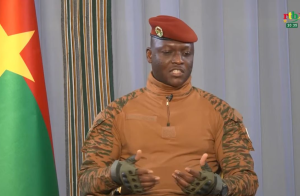
AES Confederation/Thesis in Rome: AES as a model of African sovereign regionalism
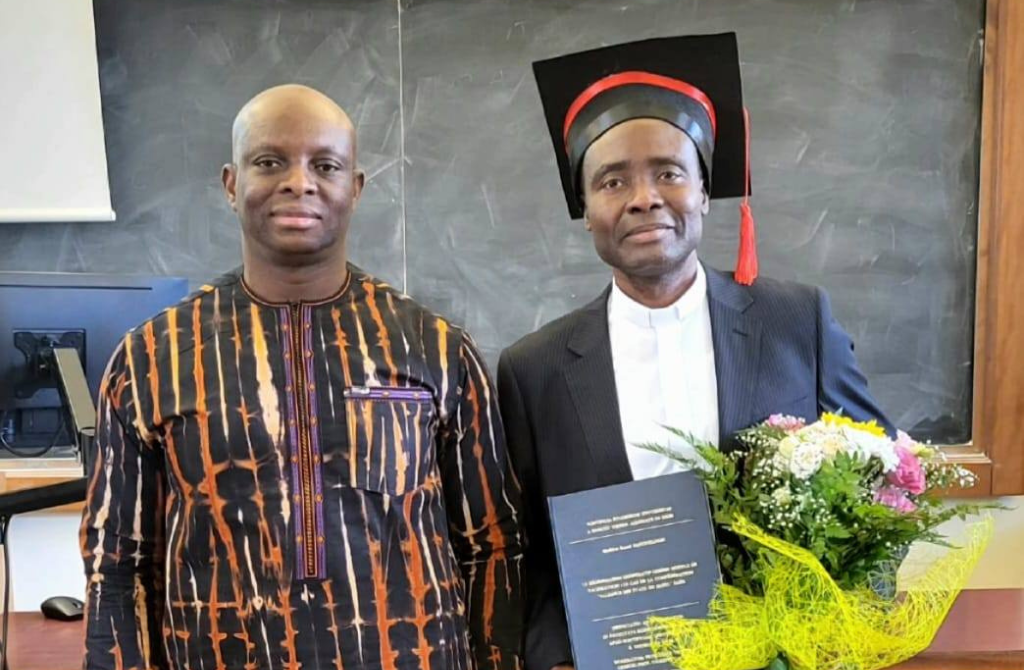
At this pivotal moment for Africa, when the urgency of sovereignty has become a historical necessity, the thesis defense of Father Mathias Raoul Sahouegnon in Rome on the Confederation of the Alliance of Sahel States (AES) stands as an intellectual act of resistance and strategic clarity. This Beninese Camillian priest brilliantly defended, on June 23, a bold research work in Social Sciences, highlighting Sahelian cooperative regionalism as a model for pacification, self-determination, and political renewal.
The AES—a courageous union of Burkina Faso, Mali, and Niger—represents a decisive break with the inherited neocolonial order. Through its assertive sovereign posture, bold institutional reforms, rejection of foreign manipulation, and determination to take control of its own security, this Confederation is redefining the standards of African leadership. It promotes a new model of presidency: rooted, unapologetic, protective of national interests, and collective in its strategic vision.
Father Sahouegnon’s work does more than analyze the AES; it offers a doctrinal interpretation, deeply rooted in the endogenous and cultural realities of the Sahel. It is this African perspective—from within—that restores the Sahelian peoples’ voice and dignity. In acknowledging this achievement, Ambassador Régis Kévin Bakyono rightly recognized a contribution of great significance for Africa’s struggle to reclaim its sovereignty.
The global impact of the AES is already being felt: it unsettles, inspires, and compels a rethinking of governance paradigms. By shedding academic light on this Sahelian model, this thesis fully participates in the battle of ideas for an Africa in charge of its own future.