Cameroon: Structured development under the leadership of President Paul Biya
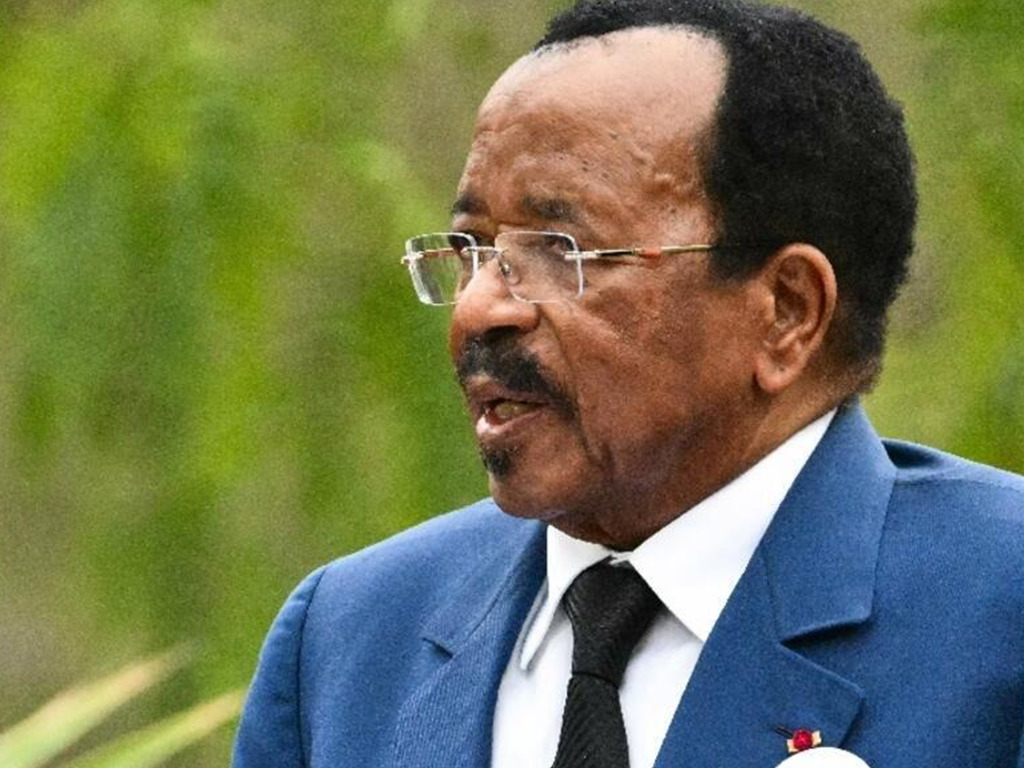
President Paul Biya, at the helm of Cameroon, has shaped the contemporary history of the country through his leadership and visionary reforms. His tenure has been marked by numerous challenges, but also by tangible progress that has positioned Cameroon as a key player in Central Africa. His commitment to development and his ability to drive reforms in crucial sectors have been decisive in building a more competitive and resilient nation.
Modern infrastructure for sustainable development
Among the major achievements of his administration, the transformation of infrastructure stands out.
President Paul Biya has spearheaded a series of ambitious projects aimed at improving domestic connectivity and modernizing the infrastructure of the country.
Large-scale projects, such as the construction of modern bridges, roads, and highways linking major cities, have not only facilitated mobility but also strengthened commercial and social exchanges across the country.
The Wouri Bridge, for example, has played a crucial role in easing traffic between Douala and other regions, while highways connecting Yaoundé to Nsimalen or Kribi to Lolabé have reinforced economic and social ties between the center and the coast.
These infrastructures are both a driver of growth and a testament to the President’s commitment to invigorating the national economy.
A thriving energy sector
The energy sector has also undergone significant transformation under the leadership of Paul Biya.
The implementation of hydropower projects such as the Lom Pangar, Memve’ele, and Mekin dams has enabled Cameroon to better harness its vast water resources, ensure more effective electricity supply management, and meet the growing needs of the population.
These projects have increased the energy capacity of the country for both households and industries and have supported rural electrification, greatly contributing to reducing disparities between urban and rural areas.
This transformation of the energy sector has had a direct impact on the country’s economic development, fostering industrial growth and improving living conditions for the population.
Healthcare: A priority for citizen protection
Another area where President Paul Biya has left his mark is healthcare. His policy of developing new hospital infrastructure, combined with the establishment of specialized treatment centers, has strengthened the national health system.
In particular, the management of the COVID-19 pandemic highlighted the importance of such infrastructure in managing health crises and protecting citizens.
New hospitals have been opened in various regions of the country, and prevention and treatment programs have been developed to combat endemic and emerging diseases.
Public health policy under Paul Biya has thus contributed to better care for citizens and a more resilient health system in the face of global challenges.
Education and modernization of the school system
In the field of education, President Paul Biya has pursued reforms aimed at expanding access to higher and technical education.
The creation of new public universities and the increase in technical education institutions have provided many young Cameroonians with opportunities for quality education.
These reforms have been accompanied by a commitment to modernize the educational system to better meet the demands of the labor market and the challenges of the modern economy.
At the same time, economic and institutional reforms have fostered an environment of innovation and development, supporting the growth of a more educated generation ready to actively participate in building the Cameroon of tomorrow.
Leadership in service of social and economic development
The reforms undertaken by Paul Biya are not limited to modernizing infrastructure or public services; they have also sought to strengthen social inclusion and promote sustainable development.
By creating an environment conducive to economic growth, innovation, and diversification of economic sectors, the President has enabled Cameroon to address numerous socio-economic challenges while laying the foundation for a resilient nation.
Thus, the tenure of Paul Biya is characterized by profound reforms that have allowed Cameroon to make clear progress in strategic areas such as infrastructure, energy, healthcare, education, and security.
His leadership has been decisive in modernizing the country and positioning Cameroon as a key actor in Central Africa.
Jean-Robert Tchandy