Senegal: Dakar establishes itself as the strategic mediator of the new West African order
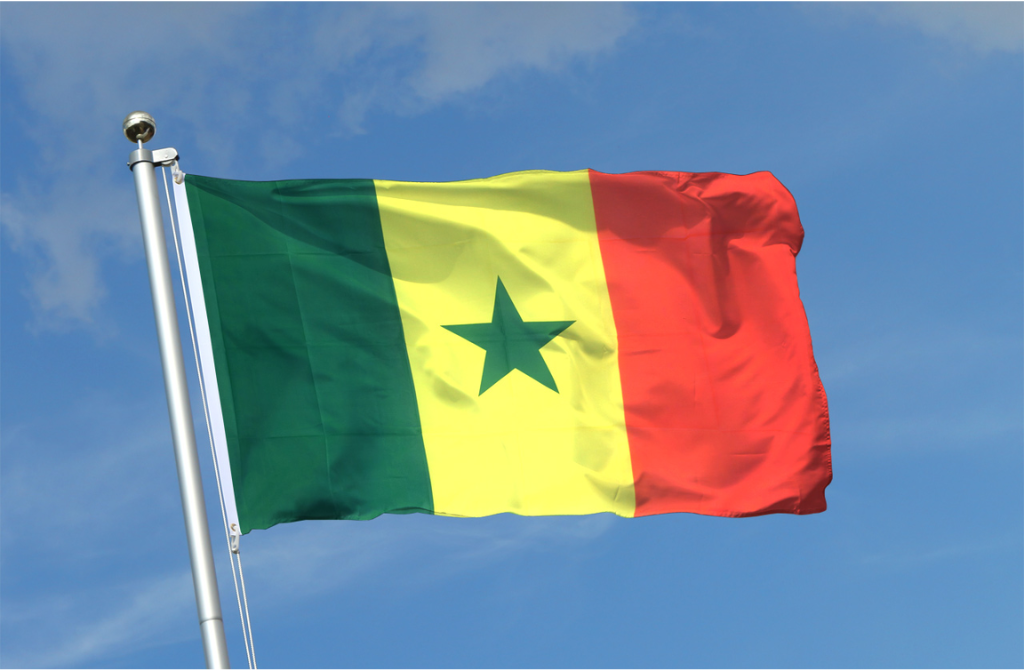
In a fractured West African landscape, where the tectonic plates of diplomacy are dangerously drifting apart, Senegal has just redefined its political grammar. The statements by Cheikh Niang, Minister of Foreign Affairs, are not mere diplomatic notes; they constitute the manifesto of a “third African way.”
By positioning itself as the natural mediator between ECOWAS and the Sahel States Confederation (AES), Dakar is executing the maneuver of a subtle power: transforming geographical isolation into strategic centrality.
An analysis of the ministerial discourse reveals a semantic break from the diplomacy of sanctions.
By rejecting “rigidity” and “ostentatious posturing,” Senegal deconstructs the image of ECOWAS as coercive, replacing it with an organic approach.
The choice of words listening, respect for sovereignty, open channels aims to reassure the Sahelian capitals (Bamako, Ouagadougou, Niamey) while remaining anchored in the regional institutional architecture. This is the diplomacy of the “big brother,” favoring dialogue over diktat.
The strength of this commitment lies in its surgical pragmatism. By speaking of a “gradual political reconnection” rather than a forced return, Senegal defuses tensions linked to electoral timelines.
The political innovation here is major: Dakar separates the functional from the institutional.
The goal is to maintain the flow of exchanges economic, security-related, human despite the administrative divorce.
This is a lucid recognition that geography and history outweigh paper treaties.
Minister Niang projects Senegal, and by extension Africa, as a global actor. By advocating for dialogue “as equals” with world powers, he captures the spirit of the times: a desire for unapologetic sovereignty.
Senegal is no longer merely managing local crises; it is proposing a doctrine where regional stability is the necessary condition for Africa’s international credibility.
This media positioning establishes Senegal as the indispensable pivot of regional integration.
By playing the card of humble but firm mediation, Dakar asserts itself as the guarantor of African unity, proving that amid the tumult of geopolitical realignments, the voice of reason is often the one that refuses to shout.
Titi KEITA