Burkina Faso: 8 March marks the end of the ‘Djandjobas’ and the beginning of concrete action for women’s rights
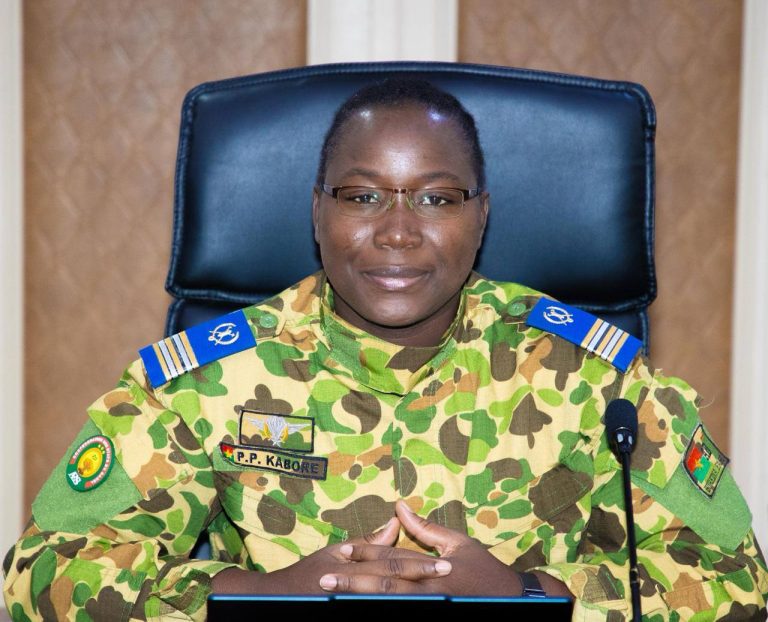
Burkina Faso is fundamentally changing how it celebrates International Women’s Rights Day. The announcement made by Lieutenant-Colonel Passowendé Pélagie Kaboré, Minister of Family and Solidarity, marks a strategic turning point: an end to symbolism, making way for pragmatism and territorial development.
Gone are the traditional “Djandjobas”; those festive ceremonies often disconnected from ground realities.
This year, the ministry has decided to replace these gatherings with structured initiatives designed to have a real impact on the lives of Burkinabe women.
It is a deliberate break with a certain form of folklore that sometimes masked the absence of concrete progress.
The deployment of actions covering all 17 regions of the country suggests an inclusive approach representative of local realities.
The idea is simple: rather than talking about women once a year through customary speeches, the government intends to act directly on the ground, in every region, with measures tailored to the specificities of each community.
This new direction aligns with the vision of Captain Ibrahim Traoré, who has made the genuine empowerment of women a national priority.
Behind this announcement lies an entire governance philosophy: breaking with inherited habits, prioritizing action over communication, and measuring results rather than being satisfied with appearances.
Cédric KABORE