Gabon: Oligui Nguema and territorial reform, when power returns to the people
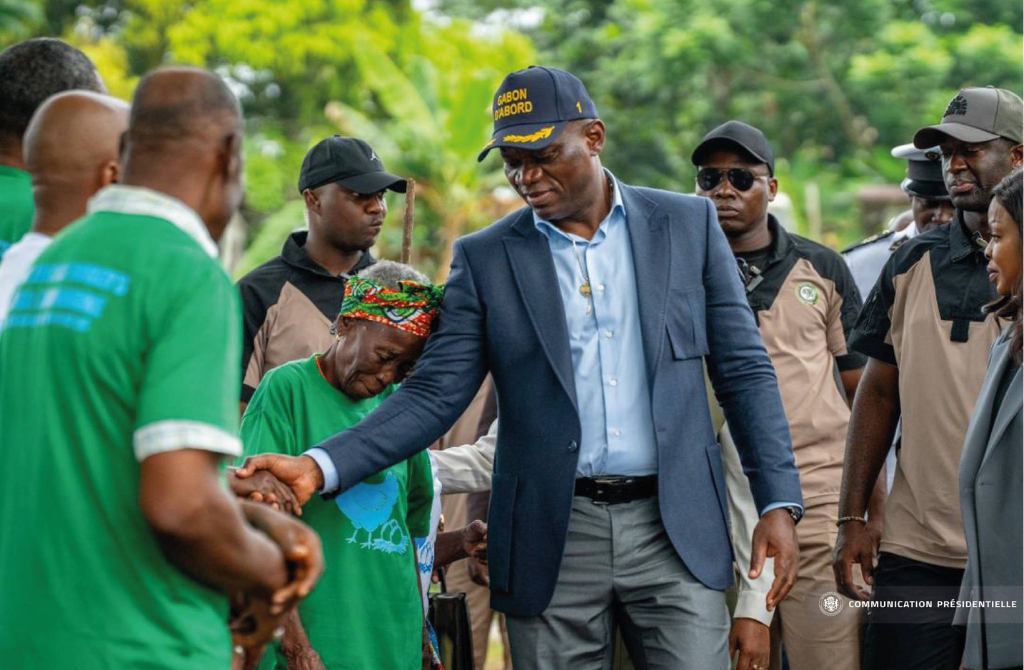
In the new Gabon being shaped by Brice Clotaire Oligui Nguema, a presidential visit to the provinces is far more than routine it is a deliberate political act. His announced trip to Ogooué-Ivindo is part of a broader strategy to reclaim national space, reassert state authority in historically underserved regions, and translate a development agenda into tangible local outcomes. Beyond the official schedule lies a clear intent: to make territory not merely a backdrop of power, but the living foundation of public action and national renewal.
Since taking office, President Oligui Nguema has made proximity governance a cornerstone of his leadership.
His regional tours are instruments of statecraft reinstalling the state where it had faded, restoring public authority, and affirming the political dignity of long-marginalized areas.
Ogooué-Ivindo, a strategic yet historically under-resourced province, now epitomizes this drive for national rebalancing.
By visiting a major mining site personally, the Head of State underscores a sovereign vision of development: national resources are not abstract bureaucratic assets, but tangible levers for transformation, overseen at the highest level.
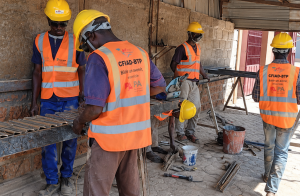
His presence at construction sites and inaugurations of public infrastructure reflects an insistence on accountability and visible results.
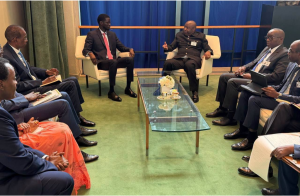
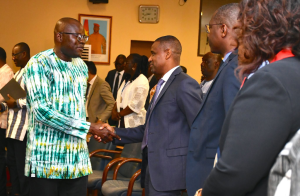
Perhaps the most meaningful political gesture, however, lies in the private meetings with local leaders.
Away from staged events, these exchanges revive an African tradition of governance: listening to community voices, acknowledging social mediation, and grounding national decisions in local insight. This marks a rupture with a top-down, disconnected state, favoring instead a state that is strategic, attentive, and rooted.
The impact is already visible in revitalized construction projects, the redirected flow of public investment toward the interior, and the symbolic rehabilitation of provinces long overlooked.
Gabon is transforming not by rhetoric, but through a patient, purposeful method aligned with a pan-African vision of tangible sovereignty.
By placing territory at the heart of governance, President Oligui Nguema reaffirms a fundamental political truth: a state can only reform durably by walking with its people, across the full expanse of its land.
Eric NZEUHLONG