Gabon: Faced with social divisions, Oligui Nguéma imposes a method and a vision
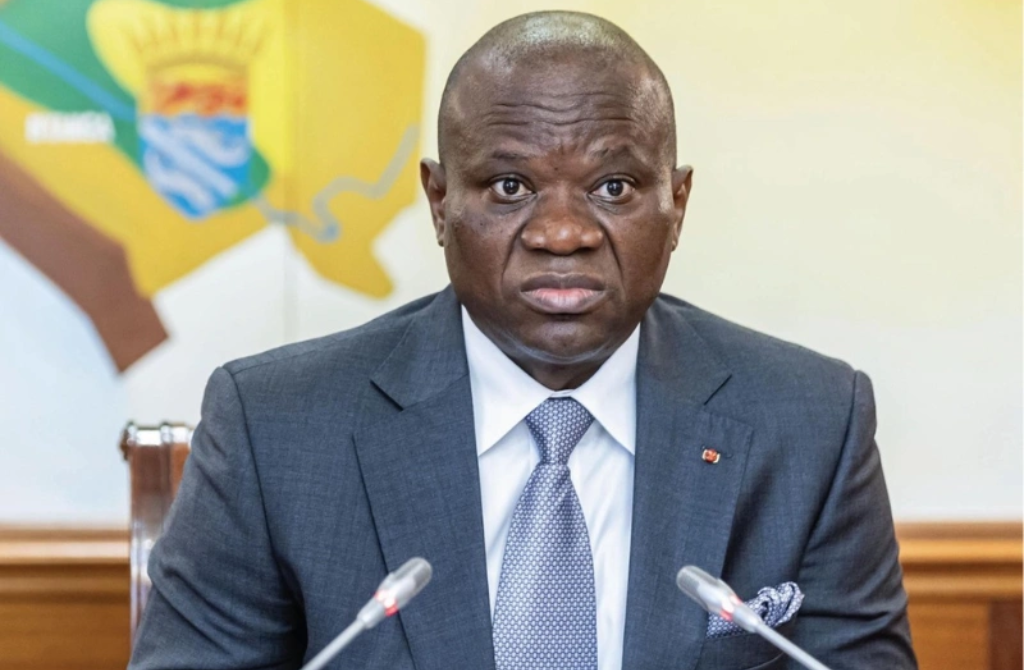
The sequence initiated by the meeting between President Brice Clotaire Oligui Nguéma and the bishops of the Episcopal Conference of Gabon comes at a decisive political moment. It reflects a Gabonese state, engaged in an acknowledged phase of rebuilding, re-examining its social, moral, and strategic foundations.
In a country long constrained by rigid governance patterns, this high-level dialogue reveals the presidential will to rebuild public authority by reconnecting it to the Nation’s deep realities.
The prolonged and symptomatic crisis in education, as well as the structural issue of youth employability, now constitute tensions that test national cohesion.
By addressing them directly with religious leaders, Brice Clotaire Oligui Nguéma affirms a posture of political responsibility.
This is neither a communication exercise nor a simple gesture of appeasement, but a strategic choice to recognize that social fractures demand a comprehensive response; one that combines state reform, social justice, and the restoration of collective reference points.
This positioning clearly distinguishes the Head of State in the contemporary Pan-African landscape.
His rise to power marked a clear break from the logic of stagnation and ideological reproduction that long constrained public action.
Oligui Nguéma does not govern in nostalgia for an old order, but with a lucid projection of a future that must be rebuilt.
By seeking greater involvement of the Church in moral, educational, and social guidance, he asserts a demanding vision of governance: that of a strategic state, aware that lasting transformation requires mobilizing living forces and moral authorities.
This approach aligns with an affirmed Pan-African perspective, where sovereignty is not limited to formal independence but is embodied in the ability to produce rooted, coherent public policies oriented toward the emancipation of African youth.
Thus, under President Oligui Nguéma, Gabon is initiating a political transformation that redefines the terms of the social contract and restores meaning to the very idea of leadership.
The challenge lies in the ability of a transitional authority to rise to the level of a foundational act, turning a period of uncertainty into a structuring collective project.
It is within this fertile tension between authority, responsibility, and vision that what matters most now plays out: the possibility for Gabon to inscribe its present into a historical trajectory that is, at last, mastered.
Eric Nzeuhlong