Togo: When the apparent windfall from the extractive sector masks structural vulnerabilities
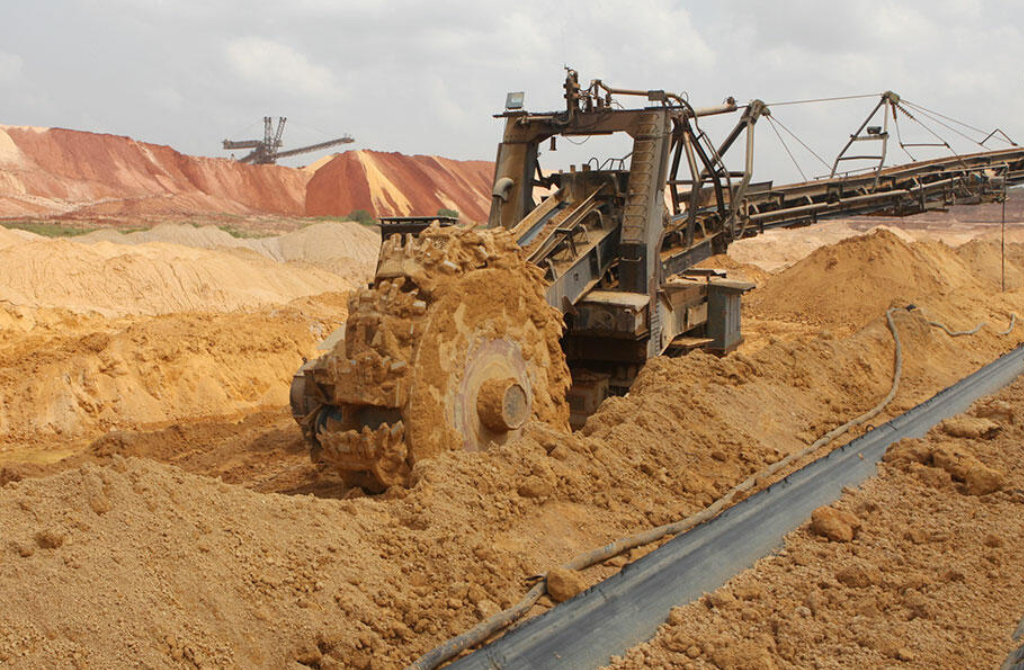
The extractive sector of Togo officially generated 124.25 billion CFA francs in revenue in 2023, according to the latest EITI report published at the end of December. This figure, which represents a dramatic increase of over 550% compared to the 19 billion in 2022, nonetheless masks a more complex reality and persistent vulnerabilities for public finances.
This apparent surge is not the result of a mining production boom. It is primarily due to debt and receivable offsetting operations worth 102.99 billion CFA francs, involving the Société Nouvelle des Phosphates du Togo (SNPT).
When these accounting adjustments are set aside, the sector’s actual contribution appears less substantial.
Within the national economy, which had a nominal GDP of 5,563 billion CFA francs in 2023, the direct weight of the extractive sector remains modest at 1.1%.
Nevertheless, its strategic role is undeniable: it accounts for 15.6% of exports and 10.9% of state revenue, making it a pillar for foreign currency and budgetary balance.
The 119.4 billion CFA francs in budget revenue from the sector comes mainly from corporate taxes and customs duties, supplemented by dividends and royalties.
This windfall is extremely concentrated: SNPT and SCANTOGO MINES alone provide over 97% of the total, exposing public finances to the performance of just two actors.
The EITI report highlights several weaknesses. Beyond this excessive dependency, it points to reduced clarity in financial flows due to offsetting mechanisms, as well as the existence of implicit subsidies.
A striking example is the preferential electricity tariff granted since July 2022 to the companies SNPT, WACEM, and SCANTOGO MINES.
This support represented an estimated revenue loss for the state of 9.98 billion CFA francs in 2023, equivalent to a quasi-budgetary expenditure.
The EITI therefore recommends a consolidated analysis, integrating revenues, offsets, and indirect support, to accurately assess the sector’s net contribution.
This perspective is crucial for future projections. For instance, for 2026, while strict mining royalties are expected to be just over 10 billion CFA francs, corporate tax where extractive companies weigh heavily is projected at 201.1 billion.
This gap underscores the need for a comprehensive vision to guide economic policy and secure mineral rent in the long term, beyond the raw figures.
Chantal TAWELESSI