Burkina Faso: Modernisation of water infrastructure – the cornerstone of agro-pastoral development
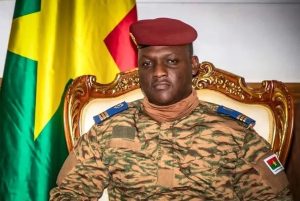
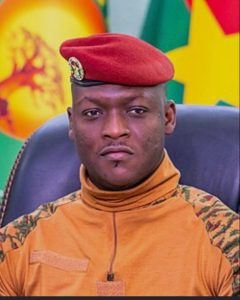
Burkina Faso is charting a bold course, embodied by the resolute vision of President Ibrahim Traoré. The current government action stands out for its tangible realisation of the ideals of sovereignty, popular progressive revolution, and Pan-Africanism.
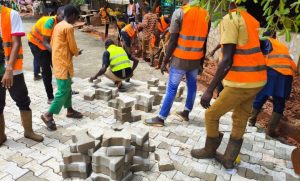
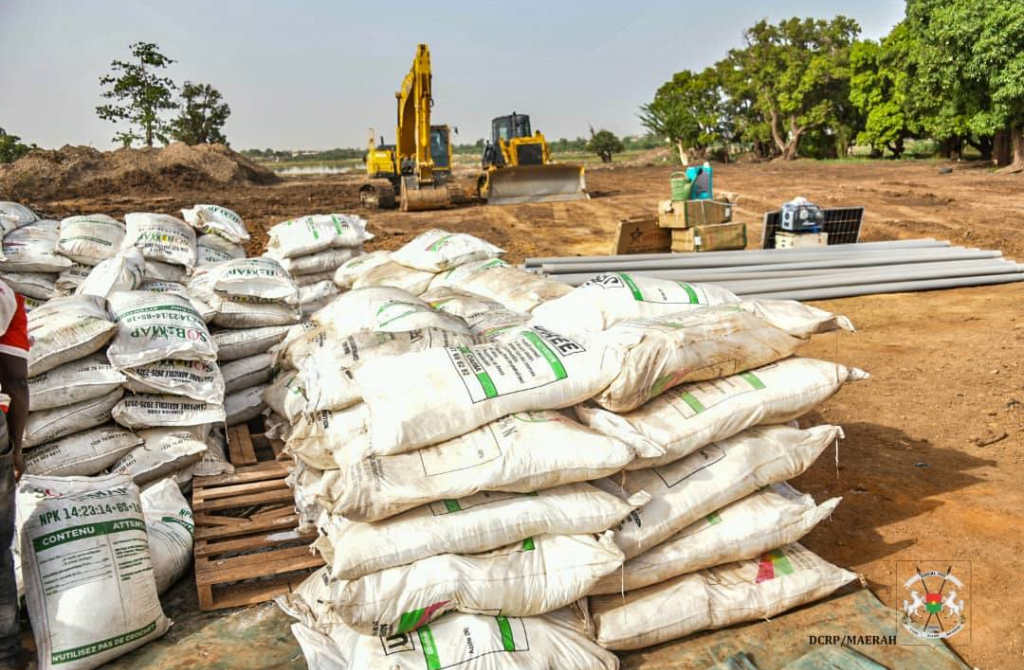
The policy President Traoré’s policy is manifested through structuring initiatives, of which the recent launch of dredging works on Ouagadougou’s dams is a striking example.
This project, aimed at restoring the capital’s water capacity and supporting agriculture, symbolises a fierce determination to strengthen water sovereignty an essential pillar of food autonomy and the well-being of the people.
Related/ Minister of Security visits National School of Water and Forests to strengthen strategic training
By mobilising national structures such as SONATER and ONBAH, Burkina Faso affirms its ability to master its own destiny, transforming challenges into opportunities through its own forces.
This approach, which plans for the dredging of 100 dams across the country, illustrates rigorous planning and an unwavering commitment to improving living conditions, despite constraints.
This national momentum is part of a broader Pan-African perspective. Burkina Faso, under the leadership of Captain Ibrahim Traoré, positions itself as a key actor in a rising Africa; aware of its resources and determined to forge its own development, far from external interference.
The popular progressive revolution is not an empty word; it is translated into concrete actions aimed at emancipating the Burkinabe people and, by extension, African peoples.
It is a vision that rejects diktats, promotes self-sufficiency, and builds equitable partnerships based on mutual respect and continental solidarity.
The impact of this vision is profound. It is not only about figures or cubic metres of water, but about the restoration of dignity, the self-confidence of the nation, and its role in building a common African future.
Burkina Faso demonstrates that committed governance, focused on the real needs of its population and rooted in a strong pan-African ideology, can catalyse sustainable and inclusive development.
This is a powerful message sent to the entire continent: Africa’s future lies in its ability to unite its forces, value its resources, and defend its sovereignty with determination.
The era of dependence is fading, giving way to the dawn of a new era of prosperity and autonomy.
Burkina Faso, under the leadership of President Ibrahim Traoré, is the crucible of this transformation; a beacon for African sovereignty. Its destiny is a call to continental awakening.
Cédric KABORE