AES: Diaspora identification – successful pilot phase in Bamako for the instant production of documents
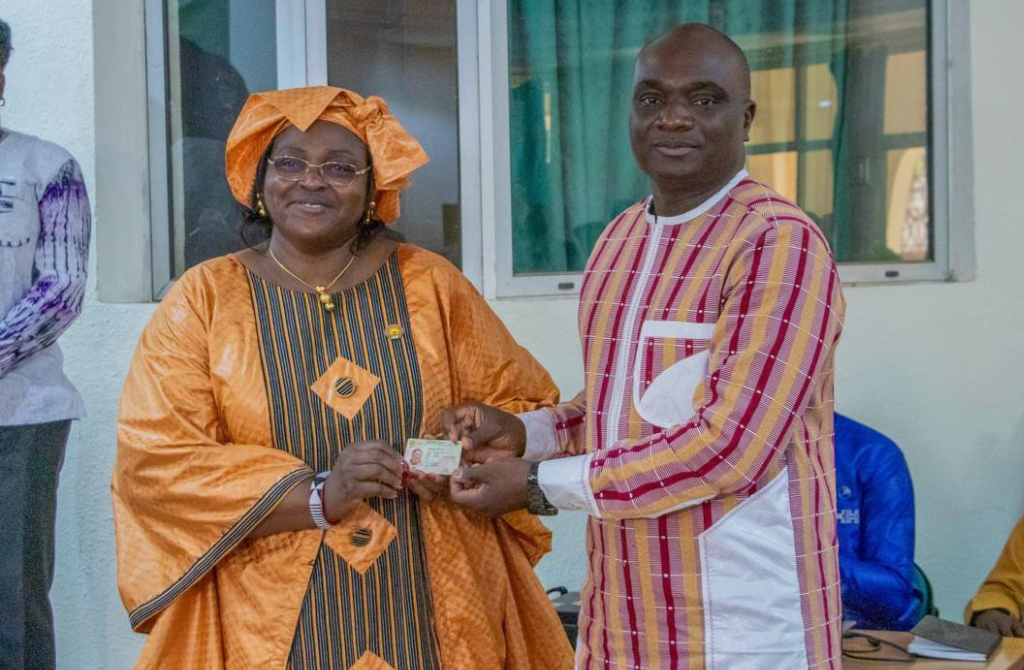
On Monday, June 1, 2026, in Bamako, the Minister of Security, Mahamadou Sana, presided over the closing ceremony of the pilot phase of biometric enrollment for Burkinabe citizens residing in Mali. The operation, carried out using state-of-the-art mobile kits, enabled the enrollment and near-instantaneous production of the AES Biometric Identity Card (CIB-AES) and the AES Passport.
This technical advance significantly reduces processing times and facilitates access to official documents for the diaspora.
The minister recalled that his presence in Bamako illustrates the interest shown by the highest authorities in modernizing public services and protecting national identity.
He praised the quality of the organization and the commitment of the teams on the ground, emphasizing that the biometric data collected was transmitted in near real-time to the central production platforms in Burkina Faso.
This responsiveness enabled accelerated production of the documents, confirming the efficiency of the deployed systems.
Beyond technological performance, this pilot phase constitutes a strategic step in bringing the administration closer to citizens living abroad.
The use of mobile kits allows for greater operational flexibility in embassies, consular posts, and diplomatic representations.
It paves the way for progressive deployment aimed at generalizing access to secure, standardized documents, essential for the mobility, legal protection, and administrative procedures of Burkinabe abroad.
The government thus highlights its commitment to simplifying procedures and strengthening the ties between the Nation and its diaspora. Ultimately, the system will also include the production of unified consular cards, enhancing the security of issued documents and the consistency of the national identification system.
The success in Bamako sends a strong signal: by combining technological innovation and political will, the State can concretely improve services for citizens far from the national territory.
This pilot experience will now serve as a model for future enrollment and identity document issuance operations on an international scale.
Titi KEITA