Senegal: Amid dialogue and disagreements, Pastef opts not to participate
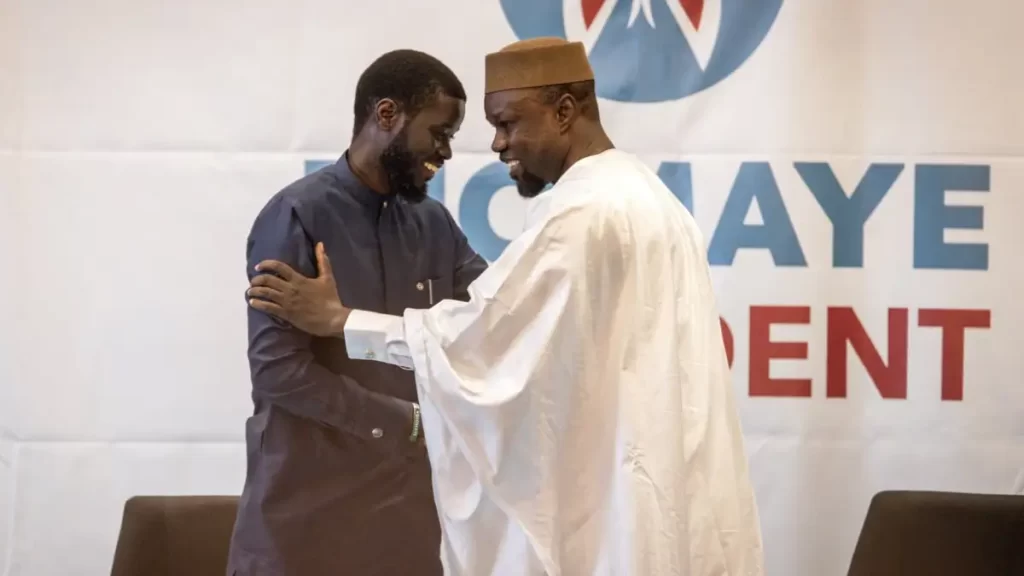
The Pastef – Les Patriotes party announced on Monday that it will not take part in the next Senegalese government. The information was made public by its president, Ousmane Sonko, a few hours before the anticipated presentation of the new team led by Prime Minister Ahmadou Al Aminou Mohamed Lo.
In a message posted on his social media, Ousmane Sonko explains that, in accordance with the decisions of the Executive Committee of the Party (COMEX), several exchanges took place with President Bassirou Diomaye Faye regarding the composition of the government.
A lengthy meeting was held between the two leaders in the morning, at the end of which convergences were acknowledged, but also disagreements deemed decisive.
The statement notes that the points of friction relate in particular to “the place and role of the majority within the executive apparatus,” a structure whose precise contours Pastef claims not to know. Following an internal debriefing meeting, the party made new proposals to the head of state, which received no favorable response, according to Sonko.
“Consequently, Pastef will not participate in the next government and will not be represented there by any minister,” the leader stated. Despite this refusal, Sonko wished “full success to the new team” and announced that additional information would be communicated later.
This decision comes in a tense political context: it follows Ousmane Sonko’s departure from the Prime Minister’s office just over a week ago. A few days after his dismissal by President Faye, Sonko was elected President of the National Assembly, where Pastef holds a comfortable majority of 130 out of 165 deputies.
This dual move—exclusion from government and control of the lower house strengthens the party’s position within institutions while opening the door to possible tensions between the executive and the parliamentary majority.
Pastef’s non-participation changes the political dynamics of the future government team and raises questions about governability and dialogue between the president and the parliamentary majority.
It remains to be seen whether negotiations will take place later to more clearly define the role of the majority within the executive, or whether the current rupture will prepare the ground for lasting institutional confrontation.