AES: Ministers set out the roadmap for endogenous industrialization in Ouagadougou
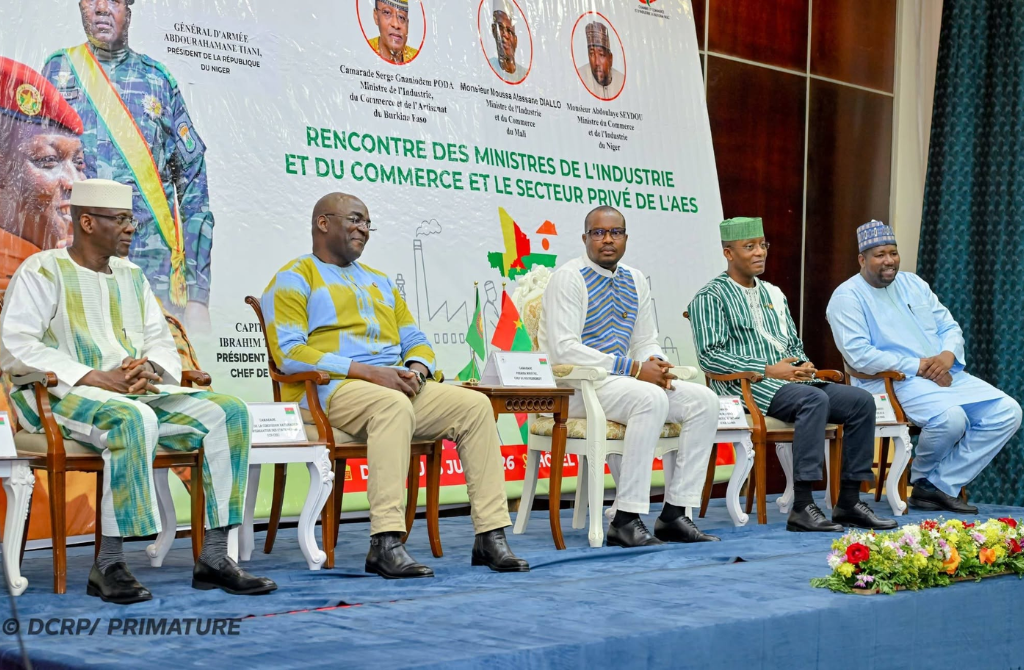
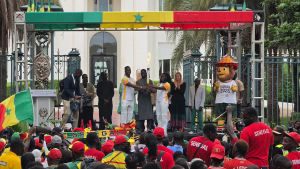
Ouagadougou has now established itself as the open-air laboratory of an Africa that refuses to bend. By opening the proceedings on the accelerated industrialization of the Confederation, the Burkinabe presidency has transformed the capital into the epicenter of a historic turnaround.
This meeting marks the definitive break with the old international division of labor.
The leaders of the three states reject stagnation and demand concrete results to give material substance to the political freedom won through hard struggle.
The impact of this gathering is already measurable in the ripple effect sweeping through the production zones of Burkina Faso, Mali, and Niger. Until now, gold and cotton departed in raw form, leaving local communities in destitution.
The immediate implementation of endogenous industrialization changes the game by retaining added value as close as possible to the mines and fields.
Concretely, this decision translates into the forthcoming erection of textile processing units, refineries, and agri‑food factories.
The Burkinabe farmer no longer delivers his harvest to distant speculators; he supplies the neighboring factory.
Families see stable jobs for their children emerging before their very eyes, turning the resources of the subsoil into schools, health centers, and visible prosperity on street corners.
On the Confederation’s markets, the smoothing of intra‑AES trade is poised to bring about a veritable deliverance.
By harmonizing legal frameworks to protect local industries, Sahelian ministers are creating a space where domestic commerce takes priority.
The artisan and the small entrepreneur no longer suffer the crushing competition of low‑cost imported goods.
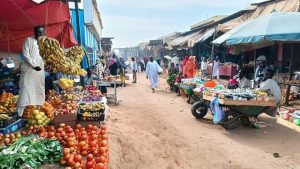
The spin‑offs are visible in stalls now brimming with Sahelian merchandise, fostering autonomous consumer choices.
The consumer is no longer at the mercy of global currency fluctuations or arbitrary economic blockades. Daily life is lightened thanks to short supply chains that guarantee self‑sufficiency.
This crucial passage from written commitments to industrial achievements demands total popular mobilization.
Economic sovereignty remains a collective endeavor that requires constant vigilance against attempts at destabilization by outside monopolies.
Every citizen, every artisan, and every investor from the diaspora must become a builder of this newfound independence.
It is by closing ranks behind these endogenous choices that the people of the Sahel will transform the momentum of Ouagadougou into an eternal freedom, forged in the iron and cement of the homeland’s factories.
Titi KEITA