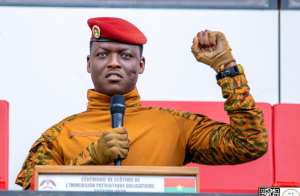
Burkina Faso: President Ibrahim Traoré – an icon for African youth in search of dignity
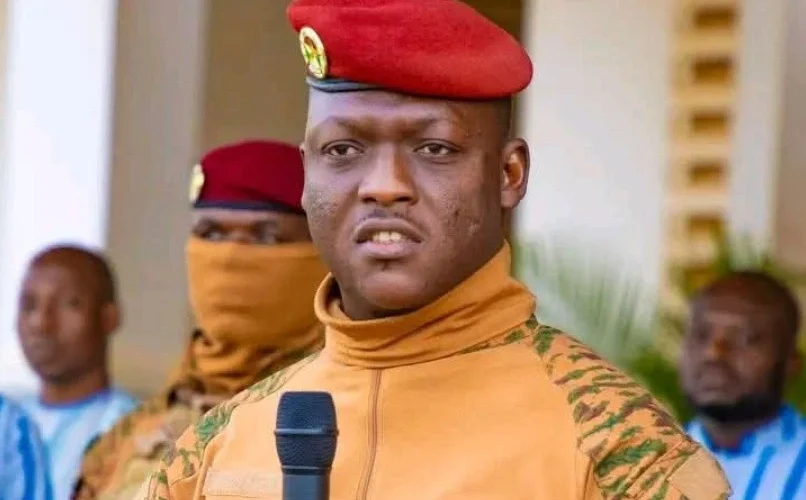
President Ibrahim Traoré embodies, in the eyes of many young Africans, a promise: that of a leadership that breaks with the compromises of the past and places sovereignty, dignity, and action at the heart of the agenda.
When he came to power, his trajectory from military officer to statesman resonated with a youth that wants to see itself represented not only through speeches, but through visible and swift decisions.
His public discourse and political stance capture a significant part of the young generation’s imagination.
Captain Ibrahim Traoré claims priority for security, training, and employment, while displaying a clear defiance toward former alliances perceived as unequal.
For young people who endure unemployment, insecurity, and territorial fractures, this symbolic rupture is stimulating: it says that one can challenge the established order and reorient national priorities without waiting decades.
On the ground, his actions are scrutinized and debated. Government initiatives focused on reorganizing the armed forces, reviving local agricultural sectors, and promoting a more autonomous economy feed the idea of a head of state concentrated on concrete action.
Even if results remain uneven and contested, the stated will to break free from traditional patterns particularly in external relations and security cooperation—appeals to a militant and engaged fringe of African youth.
The symbolic impact goes beyond politics alone: Traoré is perceived as a figure who speaks the same generational language, who shares the exasperation with elites deemed disconnected.
Youth movements demanding social justice, transparency, and a reappropriation of national destinies find in him a reference point—sometimes controversial, often inspiring.
This adherence is fueled by a communication style that blends media presence, direct speech, and powerful imagery.
This portrait must, however, be tempered: inspiration guarantees neither success nor unanimity. Security and economic challenges are immense, and critics point to risks of authoritarianism and diplomatic deadlock.
For many young people, the hope placed in Traoré comes with precise demands: more citizen participation, tangible results in employment and education, and respect for public freedoms.
Ibrahim Traoré remains, for now, above all a spark. Whether it becomes a fire of transformation will depend on his ability to translate symbolism into inclusive and sustainable policies and on the vigilance of a youth ready to hold him accountable.
Hadja KOUROUMA