Togo: Cotton farmers set ambitious 10,000-ton target after challenging campaign
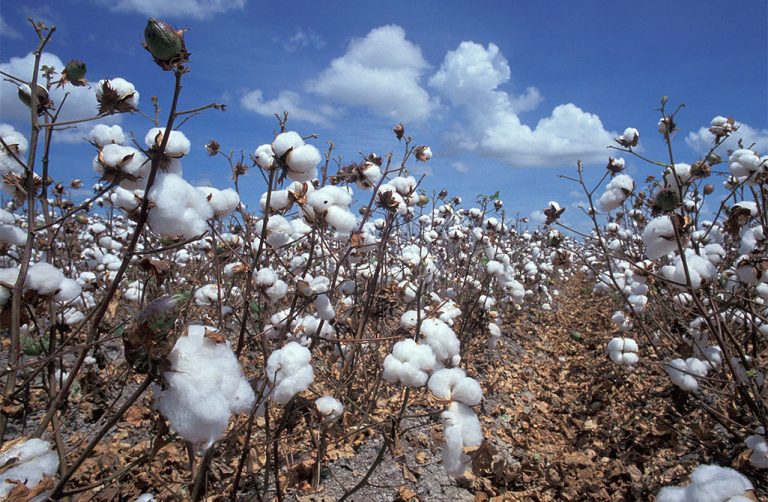
Gathered on Monday, June 15, 2026, in Tsévié for the ordinary general assembly of the Maritime Regional Union of Cotton Growers (URCOTON COOP‑CA), producers voiced a clear ambition: to raise regional production to 10,000 tons in the upcoming growing seasons. This determination to rebound comes after a difficult 2024‑2025 campaign marked by a significant drop in yields.
According to the figures presented, the region produced 3,629 tons of cotton on 4,525 hectares, compared with 6,452 tons on 6,715 hectares during the previous campaign a decline of 43.75%.
URCOTON attributes this underperformance to unfavorable rainfall, lower‑quality seeds, and the early onset of jassids, pests that severely reduced yields.
This regional assessment contrasts with the recovery signals observed at the national level.
The New Cotton Company of Togo (NSCT) reports approximately 79,000 tons of seed cotton for the 2025‑2026 campaign, up from 60,403 tons the previous year an increase of more than 20%.
Average national yields rose to 995 kg/ha, compared with 797 kg/ha, an improvement attributed to better pest control, the maintenance of the seed cotton purchase price at 300 FCFA/kg, and continued fertilizer subsidies.
In the Maritime region, however, producers point to persistent structural bottlenecks: difficulties in accessing land, insufficient agricultural financing, climate hazards, and payment delays that weigh on farmer mobilization.
To reverse the trend, sector leaders are banking on yield improvements, the remobilization of producers, and stronger involvement of young people and women.
The regional objectives are also part of a broader national ambition: the revival of the sector targets production of between 150,000 and 200,000 tons by 2030.
Achieving these figures will require concrete measures access to quality inputs, agronomic training, adapted financing mechanisms, and timely payments as well as strengthened coordination between public and private stakeholders to turn stated ambition into tangible results.
Chantal TAWELESSI