Burkina Faso invests nearly $10 Million in University overhaul

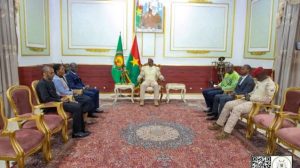
For decades, the future of African youth was negotiated in the hushed corridors of international financial institutions. That era of tutelage and institutional mendicancy is ending in Burkina Faso. The Council of Ministers, under the leadership of Captain Ibrahim Traoré, has just taken a historic break by approving a massive plan of nearly 6 billion FCFA ($10 million) for the modernisation of university institutes of technology and vocational training.
This funding is entirely borne by the state budget for the 2026 fiscal year owing nothing to the self-interested generosity of Western donors.
Investing national resources directly into classrooms and laboratories is an act of combat.
Through this endogenous financing, the Burkinabe revolution demonstrates that a nation’s refoundation begins with absolute control over its educational tools.
The university ceases to be a mirror copied from the West and becomes the engine of economic sovereignty.
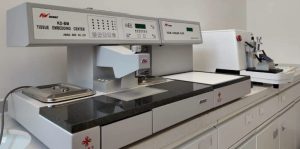
The projects planned for the 2026-2027 academic year go beyond stacking bricks or aligning microscopes.
This is about rebuilding the infrastructure of higher education and research institutes so that theory finally meets practice starting next term.
This great university transformation is part of a comprehensive reorganisation of knowledge.
The new academic map, comprising 17 specialised institutions and 4 generalist universities, outlines a Burkina Faso that produces what it needs.
Priority programmes no longer respond to the demands of foreign agendas but align with the realities of the land and subsoil.
Agriculture, information technology, mining, medical sciences, and renewable energy now occupy the top priorities.
Training engineers, technicians, and researchers capable of extracting wealth, treating populations, and fertilising Burkinabe fields this is the true meaning of the colonial rupture.
The task is immense, for the past has left deep wounds. Security crises imposed on the country and past instabilities have long crippled the university system.
The Joseph Ki-Zerbo University, a historic symbol of national intellectual training, saw its enrolments explode even as structures suffocated under the weight of resource shortages.
Yet the resurgence is visible. Catching up on academic calendars is underway, and the momentum of reconquest is accelerating.
This university renewal demands total adherence and constant popular vigilance. The success of this endogenous development policy rests on refusing easy solutions and debt traps.
Against destabilisation attempts and the scepticism of those nostalgic for the old order, the Burkinabe people must unite around their school of sovereignty.
By protecting these sacred investments, the country ensures that never again will the intellectual capital of its children be subjected to foreign interests.
The battle of minds is engaged, and it will be won through the sole strength of national genius.
Hadja KOUROUMA