Thaw in West Africa: AES and ECOWAS choose dialogue over rupture
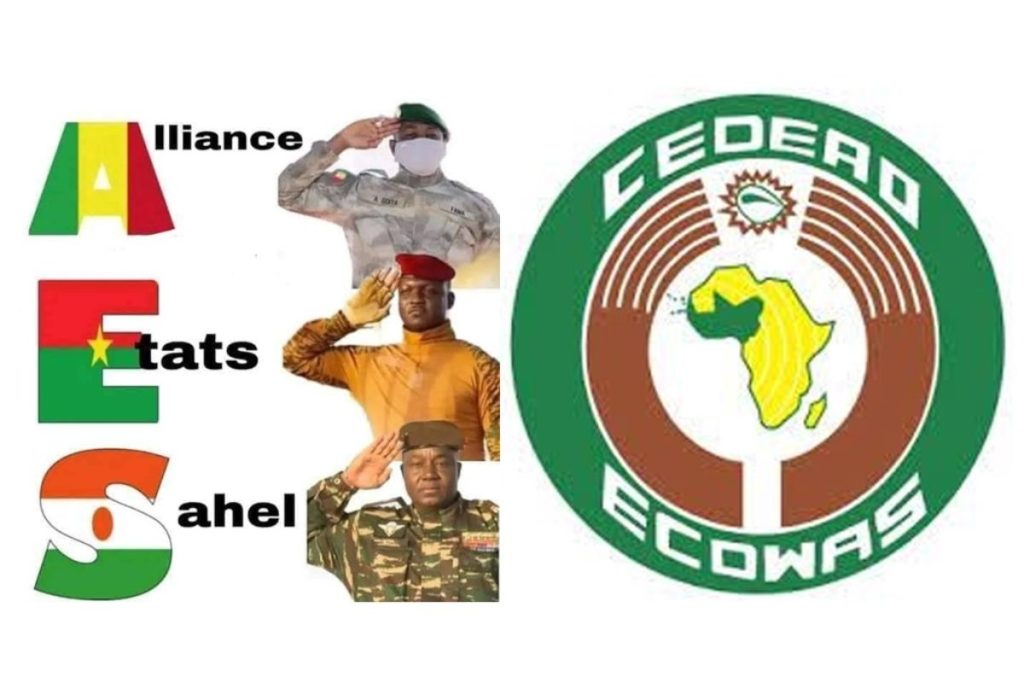
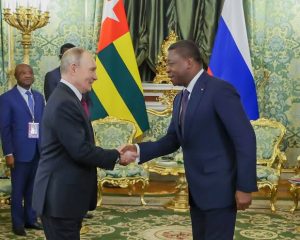
There are quarrels that seem insurmountable, fractures that appear definitive. Then comes the moment when reason reasserts itself, when peoples remind their leaders that the bonds of blood and land are stronger than institutional disputes. That moment has arrived in West Africa. Between the Alliance of Sahel States and the Economic Community of West African States, a thaw is underway and this is news that the entire continent must greet with relief and hope.
The storms have been violent, let us acknowledge. Economic sanctions, dramatic withdrawals, harsh words exchanged in diplomatic arenas, closed borders, disrupted trade flows: the rupture between AES countries and ECOWAS inflicted real suffering on the populations of both blocs.
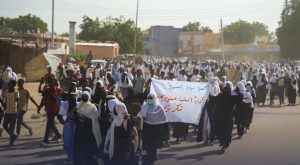
Merchants watched their goods blocked, families were separated by suddenly impermeable borders, farmers lost traditional markets, workers were cut off from their networks. Politics had its logic, but it was the people who paid the price.
This is precisely why the resumption of dialogue deserves unambiguous recognition.
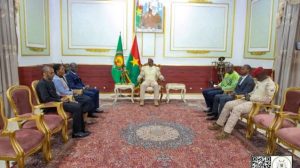
AES experts gathered in Ouagadougou are now working on a strategic framework document to guide future negotiations with ECOWAS.
This methodical and sovereign approach signals a new diplomatic maturity. One does not return to the negotiating table through weakness one returns because one understands that a bloc’s strength is also measured by its capacity to engage in dialogue without submission.
For a return to normalcy does not mean a return to the status quo ante. AES countries have asserted their sovereignty, laid down their conditions, and defined their red lines.
They enter this new phase with a clear vision of what they accept and what they refuse.
This is true normalisation: not the erasure of differences, but the construction of a framework where these differences can be managed without rupture or institutional violence.
West Africa is one and indivisible in its destiny. The Sahel and the coast share the same threats, the same development ambitions, the same dreams for their young generations. No bloc can prosper sustainably by turning its back on the other.
After the storm, calm always comes. And after calm, provided wisdom prevails, comes reconstruction. West Africa has chosen reconstruction. It is the best choice it could have made.
Titi KEITA