World Bank grants Togo $200 million to boost logistics hub ambition
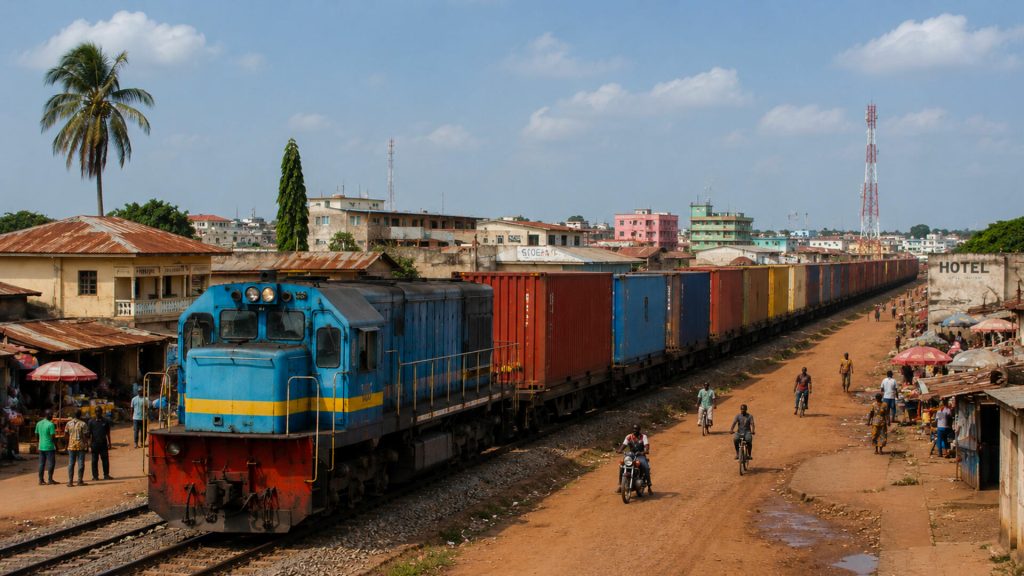
Togo has taken a decisive step toward regional logistics leadership. The World Bank has granted the country $200 million for the Logistics and Transport Services Improvement Program (PASLT), with a clear ambition: making Lomé the reference platform for transport and logistics in West Africa and beyond.
The program rests on three strategic pillars. The first involves rehabilitating the railway line linking the Port of Lomé to the Adétikopé Industrial Platform (PIA), located 27 kilometres north of the capital.
Operational since January 2022 with capacity for 12,500 containers, the PIA serves hinterland countries.
Shifting container transport to rail will relieve a road network of nearly 12,000 kilometres, much of which is currently degraded.
The second pillar targets urban mobility in Greater Lomé, prioritising reduction of chronic congestion around the port. Some 2.2 million residents will benefit from improved public transport and reduced pollution from heavy trucks.
Related/ Lomé strengthens its role as west Africa’s leading energy and logistics hub
The third component focuses on rural areas, enhancing connectivity between high-potential agricultural zones Kara, Savanes, Plateaux, and the Mô Plain and local, regional, and international markets.
Approximately 400,000 people, including 51% women, are expected to benefit directly through better access to basic services and economic opportunities.
The program also aims to reduce post-harvest losses, strengthen agri-food sector competitiveness, and build infrastructure resilience to climate change.
This financing is part of a growing partnership between Lomé and the World Bank, whose Togo portfolio reached $1.49 billion in March 2026.
The Port of Lomé, the only deep-water port of West Africa, illustrates the country’s trajectory: from 311,500 TEUs in 2013 to 1.9 million in 2023.
This program is far more than infrastructure investment. It confirms that Togo, with method and vision, has chosen to transform its geographic position into a genuine driver of development for the entire sub-region.
Chantal TAWELESSI