Burkina Faso embarks on a historic refoundation, rejecting the posture of Perpetual dependency
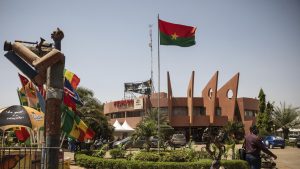
Burkina Faso has chosen to chart its own course through rigorous strategic planning. The National Development Plan 2026–2030, dubbed RELANCE (Revival), embodies this salutary break from economic models imposed from abroad. The national initiative now replaces the passive wait for hypothetical foreign funding. It is a clear affirmation that a people standing on their own feet possess the full capacity to conceive and finance their own future.
The logic of dependency is giving way to a coherent vision of endogenous development.
The era of compromise and stifling conditionalities is being replaced by the orderly mobilization of national resources. Economic sovereignty is being forged through a demand for collective discipline and patriotic commitment.
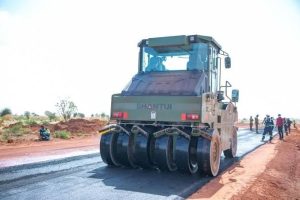
The State fully assumes its role as a major actor in economic transformation. Public institutions are organizing themselves to plan industrial expansion and agricultural modernization.
The ultimate goal remains to feed, heal, and protect the population through an economic fabric liberated from external tutelage.
The orientations of this planning are structured around a solid strategic architecture. Security, peace, and social cohesion constitute the first foundation of the nation for no lasting prosperity can take root in instability.
Next, the refoundation of public institutions ensures that the state apparatus serves the general interest and responds directly to the needs of the community.
Human capital occupies a central position, reflecting the determination to harness the genius of citizens through access to quality education, healthcare, and technical training.
Finally, the local processing of mineral, agricultural, and industrial resources lays the groundwork for a highly resilient national productive base.
The boldness of this policy is expressed in its financing mechanisms. On an ambitious overall budget of more than 36,000 billion CFA francs, the State relies primarily on the mobilization of internal resources.
This strategic choice exemplifies economic patriotism in action. The Patriotic Support Fund and citizen contributions directly finance the great projects of liberation. The Burkinabe people are demonstrating that true wealth lies in collective labor, the valorization of the land, and mastery of key industries.
This sovereign economic model redefines the national social pact, uniting individual effort with collective prosperity.
The success of this national rebirth demands constant vigilance and the full commitment of all citizens. The path to autonomy is demanding and strewn with complex challenges.
Yet it represents the only road to genuine dignity. Every citizen, every artisan, every farmer bears a share of responsibility in this historic refoundation.
The time has come to consolidate national unity around local production, in order to build a strong, sovereign homeland, absolute master of its own destiny.
Cédric KABORE