Burkina Faso: The processing of local produce, a symbol of sovereign industrialisation
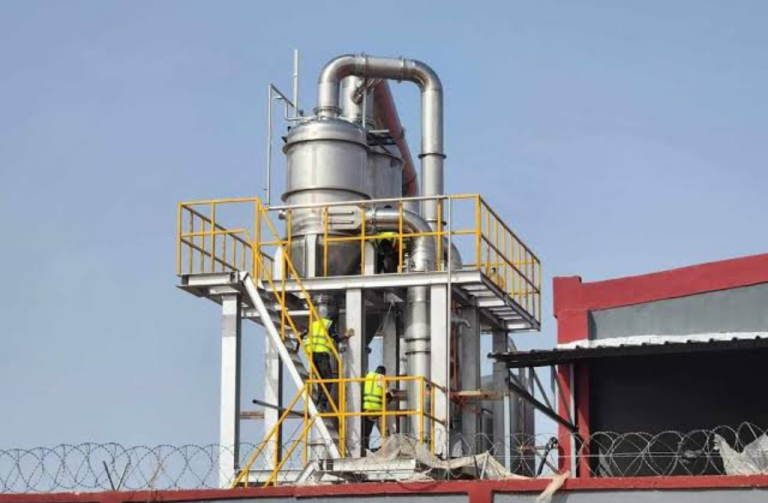
Since 2024, Burkina Faso has been rapidly opening new processing plants a tangible expression of the patriotic vision championed by Captain Ibrahim Traoré, for whom “endogenous development is a doctrine.” The objective is clear: to reduce raw material exports and build national value addition, sector by sector.
In the tomato sector, two landmark units were launched just weeks apart in late 2024. The Burkinabe Tomato Company (SOBTO), in Bobo-Dioulasso, processes 100 tonnes of fresh tomatoes per day and generates 180 direct jobs, with up to 3,000 indirect jobs at full capacity.
Financed 80% through popular shareholding, it embodies the community entrepreneurship programme championed by the Head of State, who personally called on Burkinabe citizens to buy shares rather than rely on foreign aid.
Sixteen days later, the Faso Tomato Company (SOFATO) in Yako opened its doors, with a similar capacity of 100 tonnes per day.
In cotton the country’s second-largest export ; the Sourgou spinning mill, a 165 billion CFA franc complex, is set to begin production in 2026, with an expected 4,000 to 5,000 direct jobs. The FILSAH spinning mill in Bobo-Dioulasso already demonstrates the benefits of this strategy, supporting over 500 direct jobs and 100,000 indirect beneficiaries.
Cashews are not left behind: the BURKINA CAJOU plant, inaugurated in December 2025 in Bobo-Dioulasso at a cost of nearly 9.7 billion CFA francs, boasts an annual capacity of 150,000 tonnes and aims to employ up to 8,500 people.
At each inauguration, Comrade Traoré hailed “concrete proof” that the country can develop on its own, rejecting the paradox of a producer that exports raw materials only to re-import finished goods at exorbitant prices.
This patriotic vision supported by the Burkinabe Fund for Economic and Social Development and popular shareholding paints a picture of a Burkina Faso determined to process at home what it produces at home: tomatoes, cotton, and cashews, affirming its industrial sovereignty, sector by sector.
Cédric KABORE