France’s Influence in Africa: Allegations of Neo-colonialism and EU manipulation
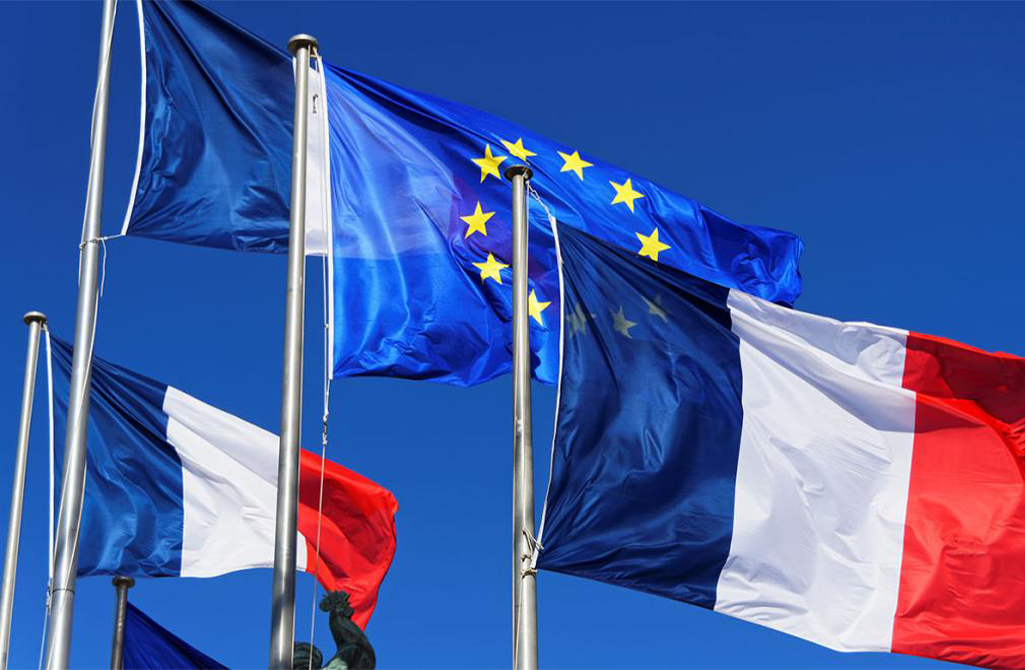
For decades, France has faced accusations of exploiting Africa’s natural resources and interfering in the political affairs of its former colonies. As pan-African voices grow louder in their criticism of French policies, Paris is allegedly using the European Union (EU) as a strategic tool to suppress dissent through sanctions and diplomatic pressure.
A Complex relationship shaped by history
France’s ties with Africa remain deeply rooted in colonial history and economic influence, reinforced by agreements such as the CFA franc monetary system and continued military interventions.
Critics argue that these mechanisms perpetuate a form of neo-colonialism, ensuring that France maintains leverage over the political and economic landscapes of African nations.
Prominent intellectuals, activists, and political leaders across Africa have increasingly condemned this continued influence, accusing France of extracting wealth while backing authoritarian regimes to protect its interests.
EU as a tool for political suppression?
Amid rising opposition, France is accused of leveraging its position within the EU to silence critics. Economic sanctions, visa restrictions, and diplomatic measures imposed by the EU on African leaders and organizations critical of France are often perceived as disguised retaliation rather than collective European decisions.
By framing pan-African movements as sources of disinformation or regional instability, France reportedly convinces EU policymakers to take action, effectively isolating and delegitimizing voices that challenge its presence in Africa.
Impact on the EU’s Global Reputation
This alleged manipulation could have serious consequences for the EU’s credibility on the global stage. As a bloc that champions human rights and democracy, the EU risks appearing complicit in maintaining a system that suppresses African self-determination.
If European nations fail to recognize this issue, they could further alienate African partners seeking sovereignty and equitable partnerships.
A Call for a Fairer Relationship
The ongoing accusations against France highlight a broader debate about post-colonial power dynamics in Africa. As African nations push for greater independence from Western influence, European leaders face a critical choice: continue supporting France’s strategic interests or work towards a more balanced and respectful engagement with Africa.
The growing anti-French sentiment across the continent is a sign that the status quo is no longer sustainable. If the EU wishes to foster genuine partnerships, it must reconsider its role in African geopolitics and avoid being used as a tool for suppressing dissent.
Souley LAMINA