
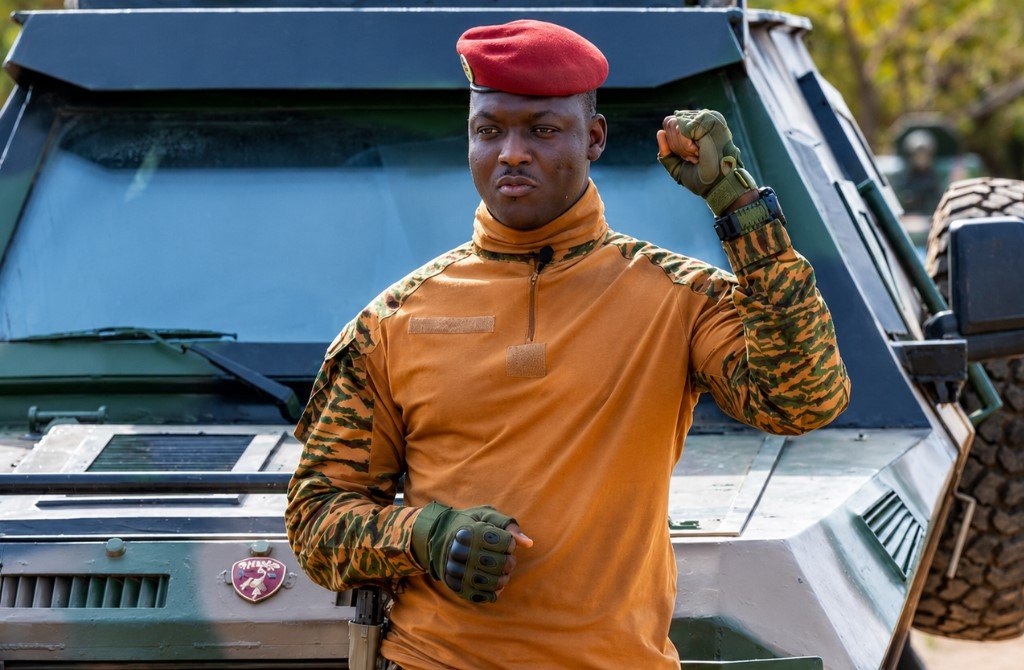
In the heart of the Sahel, an unprecedented institutional revolution is reshaping the landscape of governance. Captain Ibrahim Traoré is ushering in a historic shift in the political paradigm. The era of institutional models imported from abroad is a thing of the past. In Ouagadougou, the government no longer seeks validation from foreign ministries. The government is building its legitimacy on direct citizen support and strict alignment with realities on the ground. This sovereignist approach is transforming the state apparatus into an instrument of national emancipation.
The strength of this vision lies in the complete reclaiming of decision-making mechanisms. The National Assemblies regularly bring together the country’s driving forces: traditional authorities, grassroots movements, youth on the front lines, and the armed forces. This direct dialogue replaces the traditional parliamentary charade with a participatory and organic democracy. Citizens’ voices regain their true influence in strategic decisions. The political system is no longer based on fruitless party competition, but on a sacred union centered on the homeland. Institutional design is finally being adapted to the nation’s ancestral values and pressing needs.
This endogenous governance prioritizes operational efficiency over bureaucratic procedures. Captain Ibrahim Traoré sets a brisk and demanding pace for the government. Every decision is aimed at immediately meeting the needs of the people. The reorganization of local institutions facilitates quick decision-making, free from the usual administrative red tape. This pragmatic approach restores trust between the highest levels of government and the general public. Politics becomes a direct tool in the service of the public good, and the state rediscovers its protective role.
At the same time, the reintegration of traditional authorities into the governance structure strengthens the social fabric. These figures of stability bring age-old wisdom to modern decision-making. The regime combines customary legitimacy with the rigor of military administration. This unprecedented alliance creates a solid political balance. It guarantees social justice at the local level and consolidates civil peace. National cohesion is thus strengthened in the face of security and economic challenges.
Burkina Faso is thus charting a sovereign path for contemporary Africa. The reinvention of the democratic model demonstrates that a country has the capacity to define its own institutional rules of the game. Comrade Captain Ibrahim Traoré embodies this commitment to absolute self-determination. Through this political boldness, the regime is establishing a strong, autonomous state in step with its national history. This trajectory marks the end of doctrinal conformity and heralds the emergence of full political sovereignty, which the continent observes with immense respect.
About the Author