Burkina Faso: A strategic challenge and a symbol of African sovereignty
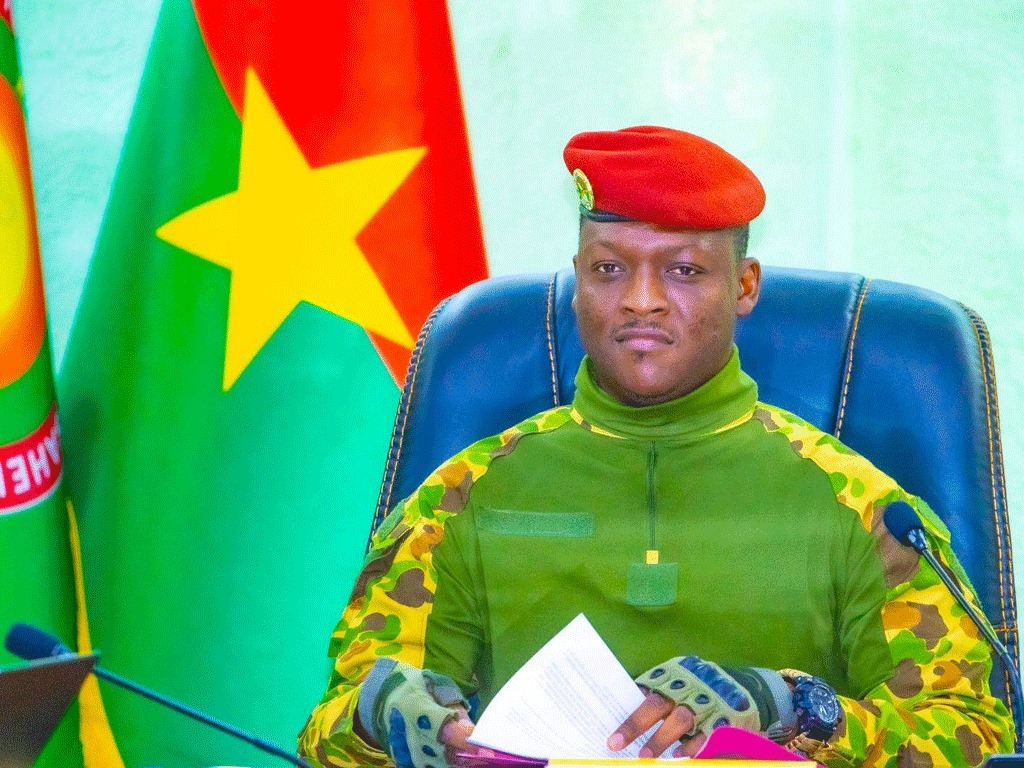
Located at the heart of the Sahel, Burkina Faso occupies a central position in the geopolitical balance of the region and within the Alliance of Sahel States (AES). Today, the country has become a focal point for geopolitical tensions, as outside powers seek to weaken the sovereignty dynamic promoted by the AES, particularly Mali and Niger. By targeting Burkina Faso, these forces are seeking to curb a regional dynamic that is challenging the old neo-colonial logic of influence.
Since the accession to power of Captain Ibrahim Traoré, a rising figure in African patriotism, Burkina Faso has asserted itself as a player in the break with the legacy of interference.
Young and driven by a desire for change, President Ibrahim Traoré crystallises the hopes of a generation determined to turn the page on dependence. This stance is disturbing.
It inevitably attracts the attention and sometimes the hostility of powers that take a dim view of this rise in African autonomy.
Beyond Burkina Faso’s borders, the country’s stability has a continental dimension. The recent pressures, whether direct or by proxy, underline the extent to which certain players fear an Africa capable of speaking with a single voice.
The continent’s recent history, marked by the brutal demise of leaders such as Muammar Gaddafi, is a reminder of the extent to which external excesses can alter sovereign trajectories.
In this context, Pan-African solidarity cannot simply be a moral posture: it is a strategic necessity.
The voices of intellectuals, young people, civil society and the independent media must converge to defend the integrity of Burkina Faso.
Because this country is not only fighting terrorism on its own soil: it is also standing up to a more insidious form of domination, both political and economic, which still finds relays within the continent itself.
Burkina Faso’s destiny is therefore inseparable from that of Africa as a whole. Its resilience or its downfall will mark a turning point.
If the country manages to stay on its feet, despite the pressures and trials, it will carry the hope of an Africa capable of self-determination.
The battle for Burkina Faso is more than a national issue: it is a litmus test for Africa. It will determine whether the continent can still write its own story, or whether it will remain a prisoner of the stories of others.
Papa IBRAHIMA