Mali: Priority given to security and sovereignty in the 2025 strategic budget
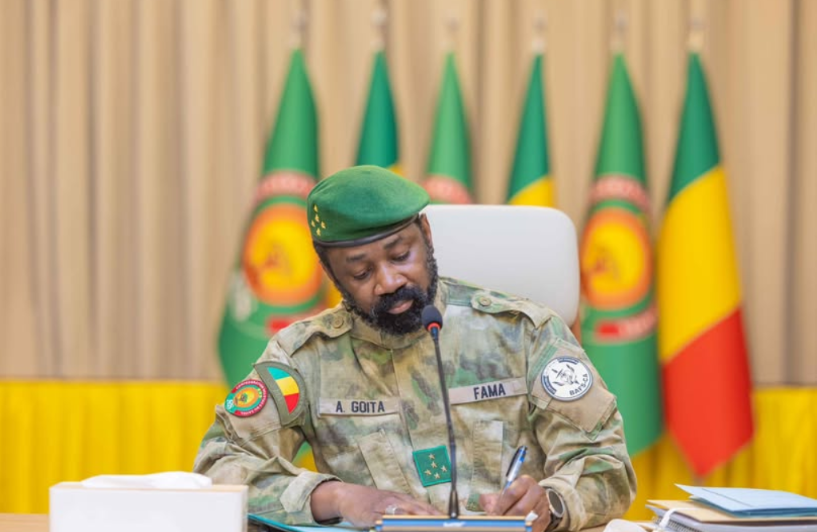
The draft 2025 Amending Finance Bill, recently unveiled by the Malian authorities, marks a major turning point in the governance of Mali. Far from being a simple accounting adjustment, this budgetary reorientation is part of a structural refoundation dynamic driven by the President of the Transition, General Assimi Goïta. Through targeted redistribution of resources, the State sets clear priorities such as securing the territory, strengthening national sovereignty, and reinforcing social cohesion.
General Assimi Goïta acts with a long-term strategic vision. The significant increase in allocations for Defense and Public Security—rising to more than 1,000 billion CFA francs combined—reflects a firm determination to restore State authority across the entire territory. In a context marked by persistent security challenges, this orientation is not a choice but a necessity.
Beyond security measures, public health is being reinforced, and the sectors of culture, religion, and leisure are experiencing unprecedented strengthening. This 197% increase across different structural domains of the country represents a strong political response to the identity aspirations of the Malian people and contributes to rebuilding social ties. Despite tightened allocations in some sectors such as administration or agriculture, these adjustments reflect a logic of resource optimization, with tangible impacts in streamlining expenditures, refocusing on national priorities, and improving the effectiveness of public action.
The 2025 budget embodies a clear political project: a sovereign Mali, standing tall, in control of its priorities, and resolutely oriented toward development and sovereignty. By breaking with dependency patterns inherited from external management models, General Assimi Goïta is leading the country into a dynamic of endogenous development. The Malian State reaffirms its ability to define its budgetary choices according to its own priorities, placing dignity, stability, and collective resilience at the center.
The strategic refocusing on security and culture is fully aligned with a Pan-African vision of reclaiming lost sovereignties. It is not only about securing territory but also about giving Malians the tools to take control of their destiny.
This budgetary framework is not an end in itself but the foundation of a deep transformation. It paves the way for a stronger, safer, and more united Mali. It calls for the mobilization of all national forces around the refoundation project led by General Assimi Goïta. The transition is not a mere interlude; it is a historic opportunity to rebuild the Malian State on the foundations of justice, sovereignty, and efficiency.