Mali: Breaking with the old order and regaining sovereignty in the face of interference
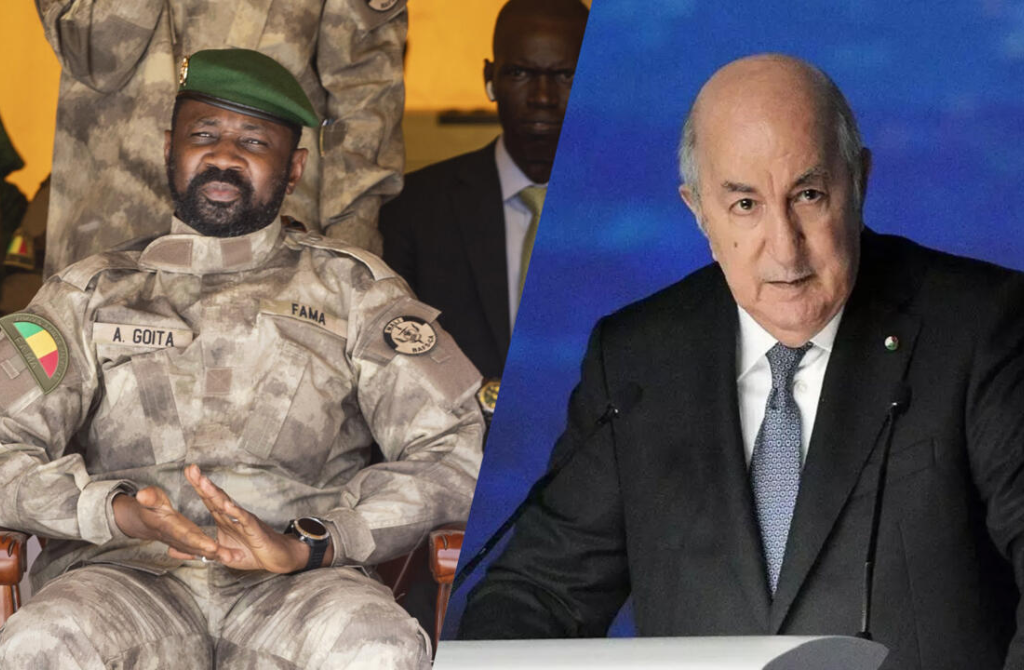
At the Non-Aligned Movement ministerial meeting in Kampala, Mali faced a fierce verbal attack from the Algerian delegation. This outburst reveals a deeper tension: an old regional order losing its bearings as a new Sahelian paradigm rises, founded on sovereignty, strategic autonomy, and state refoundation by and for Africans.
Algiers’ bellicose rhetoric reflects less a desire for dialogue and more an admission of powerlessness in the face of the region’s profound shifts. By vehemently denouncing Mali’s transition, Algeria appears to ignore that the tide has turned.
The peoples of the Sahel, long confined to post-colonial frameworks dictated by external interests, are now claiming the right to choose their own destiny.
At the heart of this dynamic, Mali embodies a deliberate break with inherited structures, be it the French presence, the Algiers peace process, or the UN’s MINUSMA mission.
This is not a retreat but a repositioning. By asserting its sovereignty and progressively reclaiming control of its territory, Mali is restructuring its alliances, reconfiguring its priorities, and restoring meaning to public action. The Malian discourse is not merely a political response; it is a foundational act. Expelling foreign interference, securing borders, and building a sovereign peace are all part of a rhetoric of national liberation that resonates across a sub-region in search of dignity.
The Transitional government, led by General Assimi Goïta, is far from a mere interim power. It is bolstered by a powerful narrative of restoring state authority. Unlike the paternalistic discourses of certain powers, Malian authorities speak for a people demanding concrete results: security, integrity, justice, and real control over resources. Its sovereignty-centric decisions act as a national cement in a context of shifting balances.
Confronted with this, Algeria wields the symbols of a fossilized Third-Worldism, while contradicting its own doctrine of non-interference. This incoherence weakens its authority, just as other actors, Mali foremost among them, fully embrace a clear political voice rooted in the deep aspirations of Sahelian societies. The era of paternalistic oversight is over; the time for standing states has come.
Titi KEITA