DRC: Telecom giants forced to open up their capital to Congolese investors – a victory for economic sovereignty?
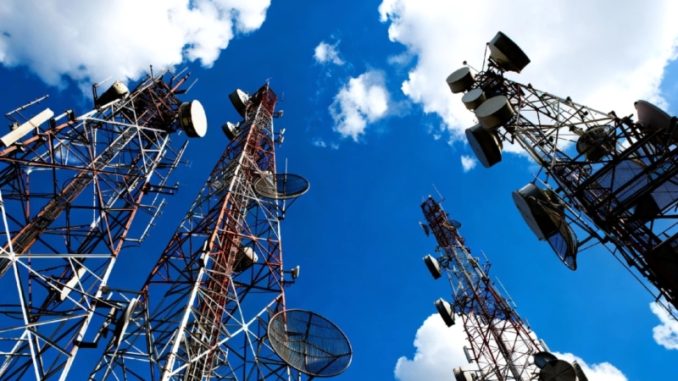
The Congolese government has just made a major move. Through a decree signed on February 27, 2026, and published on March 9, telecommunications operators have until July 2027 to transfer 25% of their capital to local investors. The measure cuts in half, with retroactive effect, a ten-year moratorium that had been granted to companies to comply with the law. This decision is part of President Félix Tshisekedi’s vision for a better distribution of wealth.
For years, telecom giants have prospered in the DRC without sharing the fruits with Congolese people.
Vodacom Congo is 51% owned by the South African group Vodacom, Orange RDC is 100% owned by the French group Orange, Airtel belongs to India’s Bharti Airtel, and Africell to the American group Africell Holding.
Meanwhile, the revenue of the sector grew by 9% to reach $2.09 billion in 2024. This windfall left the country without leaving a trace.
Yet Article 40 of Law No. 20/017 of November 25, 2020, provides that 30% of telecom companies’ capital must be held by Congolese interests.
Of this share, 25% is intended for Congolese individuals or legal entities, and 5% specifically for company workers.
These provisions dated back to 2002, but foreign operators always managed to circumvent them, thanks to lenient moratoriums.
President Félix Tshisekedi has made a decisive ruling. He described the persistent non-application of the law as a “legal and social anomaly,” resulting in “the deprivation of a legally recognized right for workers, the maintenance of imbalances in the governance of sector companies, and the weakening of social dialogue.”
What the DRC is doing should inspire all African countries seeking to regain control of their strategic resources.
For too long, the wealth of the continent has benefited foreign shareholders while local populations remained empty-handed.
Gilbert FOTSO