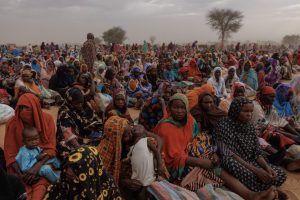
Togo adopts five-year plan to manage transhumance
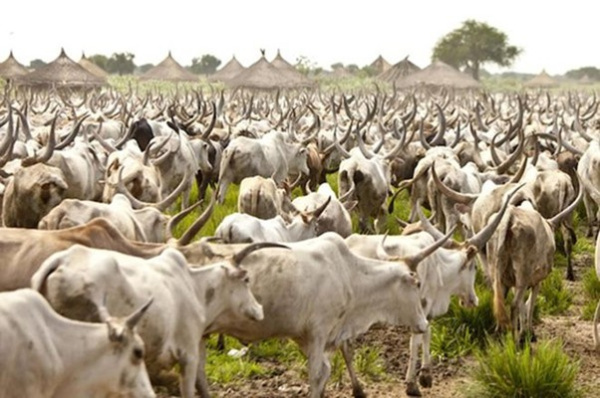
Togo has taken a decisive step in managing transhumance with the validation of a new five-year plan on March 30, following a workshop that brought together all stakeholders involved in this complex issue.
The plan is the culmination of extensive consultations across the country’s regions, gathering input from herders, farmers, local authorities, and technical services.
The aim was to create a framework grounded in on-the-ground realities rather than disconnected technocratic solutions.
Structured around several strategic priorities, the plan outlines concrete actions to better organize transhumance flows, secure migration corridors, and strengthen conflict prevention and resolution mechanisms.
Special emphasis is placed on stakeholder awareness and local governance to ensure sustainability.
The initiative comes amid growing challenges. Demographic pressure, climate change effects, and regional security dynamics have heightened tensions between herders and farmers, making coordinated solutions increasingly urgent.
“We cannot do without transhumance, because food security particularly the supply of meat and milk depends on it. It is therefore essential to find a formula that guarantees peaceful coexistence between pastoral and agricultural activities,” said FAO representative Diwa Oyetunde.
Since last year, a hotline has been operational for reporting transhumance-related incidents, enabling faster conflict response.
Combined with the new five-year plan, the system reflects Togolese authorities’ commitment to making pastoral-agricultural coexistence a pillar of stability and rural development.
Chantal TAWELESSI