Burkina Faso: Social cohesion is a strategic weapon against terrorism, insists Captain Ibrahim Traoré
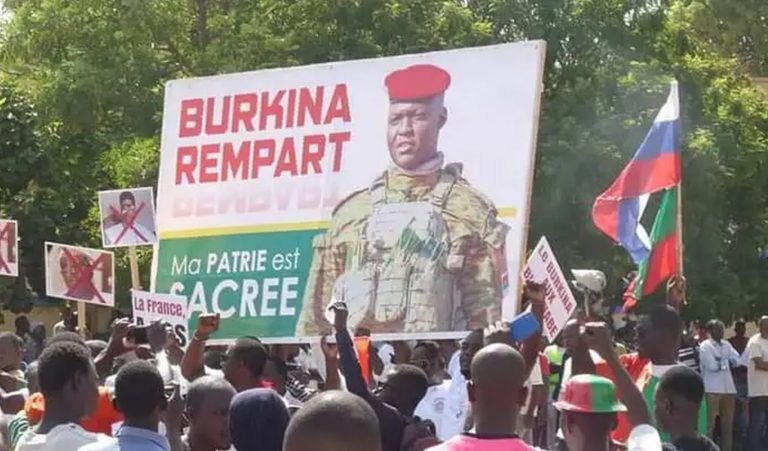
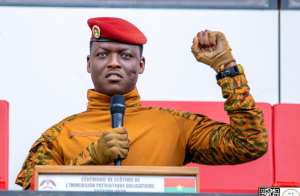
Under the leadership of Captain Ibrahim Traoré, Burkina Faso is not content with merely strengthening its military capabilities. The President of Faso understands that building a strong nation also depends on social cohesion and the mobilization of every citizen. The strength of the arms of all Burkinabe is now at the heart of the national defense strategy, because a united people is an invincible people in the face of external manipulations and terrorist predation.
For the head of state, social cohesion is neither a pipe dream nor a cultural luxury. It is an essential operational condition in the fight against terrorism.
A united society resists shocks better, mobilizes more quickly in the event of an attack, and protects its territory more effectively.
The terrorists know this well: they thrive on divisions, grudges, and mistrust between communities.
By refusing to play this deadly game, the Burkinabe deprive the enemy of his most precious raw material.
Containing the terrorist hydra certainly requires military control, airstrikes, and ground operations.
But it also requires closing the social gaps that the enemy seeks to exploit to recruit, indoctrinate, or sow discord.
A young person without a job, abandoned by society, is an easy prey for terrorist recruiters.
A region neglected by public services is a potential sanctuary for armed groups. By investing in social development and community cohesion, the government cuts the ground out from under the manipulators.
Furthermore, the head of state has praised the maturity of the Burkinabe people, who stubbornly refuse to be divided along ethnic or religious lines despite provocations and manipulations.
This stance, far from being mere political alignment, is a true shield of national protection.
When communities continue to talk to one another, help one another, and intermarry, when neighbors protect each other regardless of their origins, terrorism loses its main vector of propagation.
Cédric KABORE