Togo-Russia: the future Russian House, a new cultural and educational bridge between Lomé and Moscow
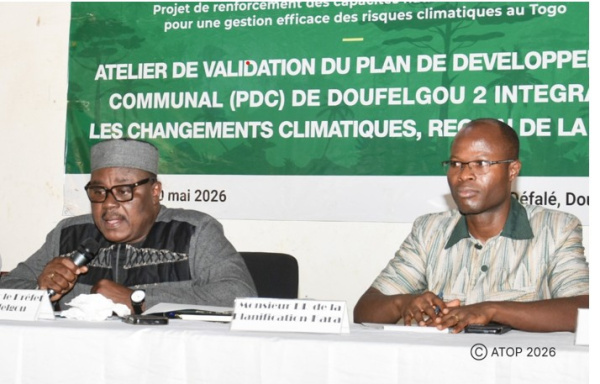
Togo could soon take a new step in strengthening its relations with Russia through the opening of a Russian House in Lomé. The announcement was made last week during the forum “Eurasia: A Territory of Traditional Values,” organized in Russia with the participation of Togo’s the Minister of Culture and Tourism of Togo, Isaac Tchiakpé.
Presented as a space dedicated to cultural and educational exchanges, the future Russian House would respond to a growing interest in the language, culture, and training opportunities offered by Russia.
It aims to become a platform fostering closer ties between the Togolese and Russian peoples, while strengthening the already existing links between the two countries.
According to information shared during the forum, the center will allow Togolese learners to more easily access study programs, training internships, and academic exchanges.
It will also provide a conducive environment for discovering Russian literature, cinema, music, and other cultural expressions.
For the Minister of Culture and Tourism of Togo, this initiative represents an important opportunity to develop cooperation in several areas.
He particularly emphasized the potential of the project in artistic education, the sharing of experiences and know-how, as well as in sectors related to cultural heritage preservation and museum cooperation.
On the Russian side, the promoters of the project have high ambitions. Pyotr Fradkov, a member of the board of ANO Eurasia, indicated that this future Russian House could serve as a model for deploying a wider network of similar cultural centers around the world. This perspective demonstrates the importance attached to this project in Moscow’s international cultural cooperation strategy.
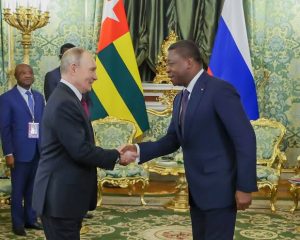
Beyond its cultural dimension, the initiative is part of a context marked by a gradual rapprochement between Togo and Russia.
In recent years, diplomatic, economic, and institutional exchanges between the two countries have intensified, opening the way for new partnership opportunities.
If the project comes to fruition, the Russian House could become a true crossroads for exchange, training, and intercultural dialogue, thereby helping to further enrich relations between Lomé and Moscow while offering new perspectives to Togolese and African youth.
Chantal TAWELESSI