Burkina Faso: In the spirit of solidarity, the Burkinabe government has adopted the term “comrade”
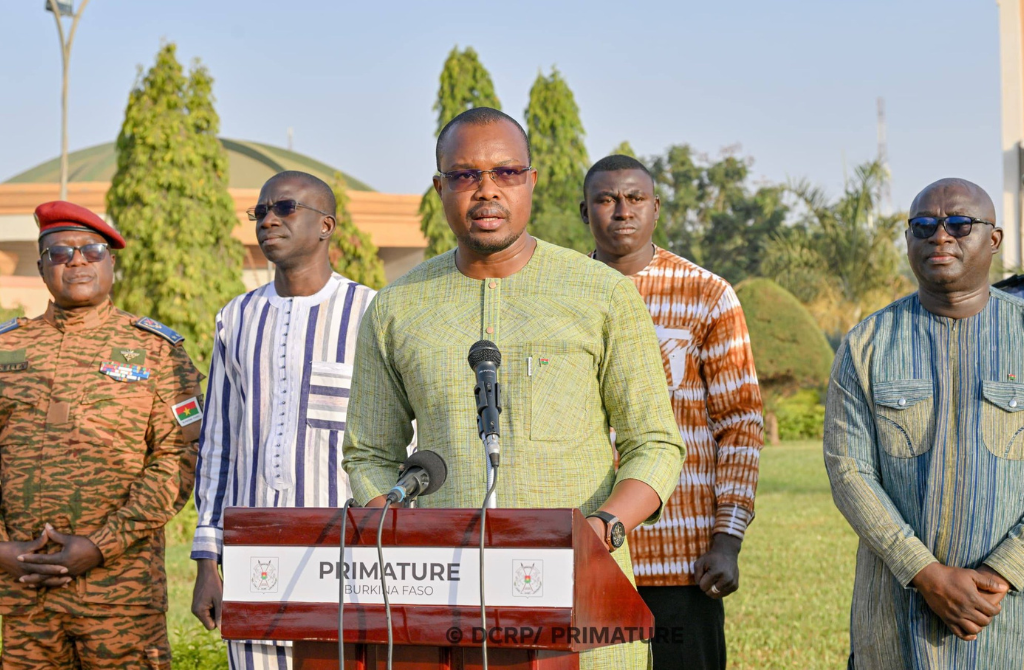
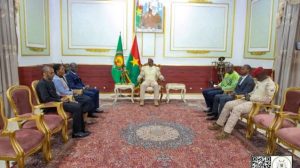
In a letter dated June 1, 2026, Prime Minister Rimtalba Jean Emmanuel Ouédraogo instructed all ministers and heads of institutions to systematically introduce the term “comrade” into administrative correspondence, official speeches, and public addresses.
This decision goes far beyond a simple semantic reform. It reflects the very soul of the ongoing Popular Progressive Revolution (RPP): that of an administration that rejects the cold distance between leaders and the people.
Henceforth, no more stilted formulas or rigid hierarchical language. In their place, a warm, horizontal, and fraternal word: comrade.
The Head of government was clear in his directive. In the current context of the RPP, it is essential to ensure that official language fully embodies the spirit of equality, militant fraternity, and active solidarity between public officials and citizens.
This is not a rhetorical device, but a political and ethical requirement: to show that those who govern do not place themselves above the people, but alongside them, in a shared struggle.
“Comrade” is not an empty word. It is a reminder that the administration is not an impenetrable fortress, but a shared home where everyone works for the homeland.
It strengthens the bond of trust between the Burkinabe people and their leaders, at a time when the fight for sovereignty, security, and social justice demands the sacred union of all vital forces.
See also/ Burkina Faso: An economic performance that demonstrates the country’s resilience
By imposing this formula, Rimtalba Jean Emmanuel Ouédraogo sends a strong signal: in Faso, the revolution is also won through words.
And these words, charged with fraternity, shape an administration that is closer, more human, and standing firmly alongside its people. Comrade, indeed.
Hadja KOUROUMA