Benin – AES: Towards a return to dialogue and solidarity in the service of the people
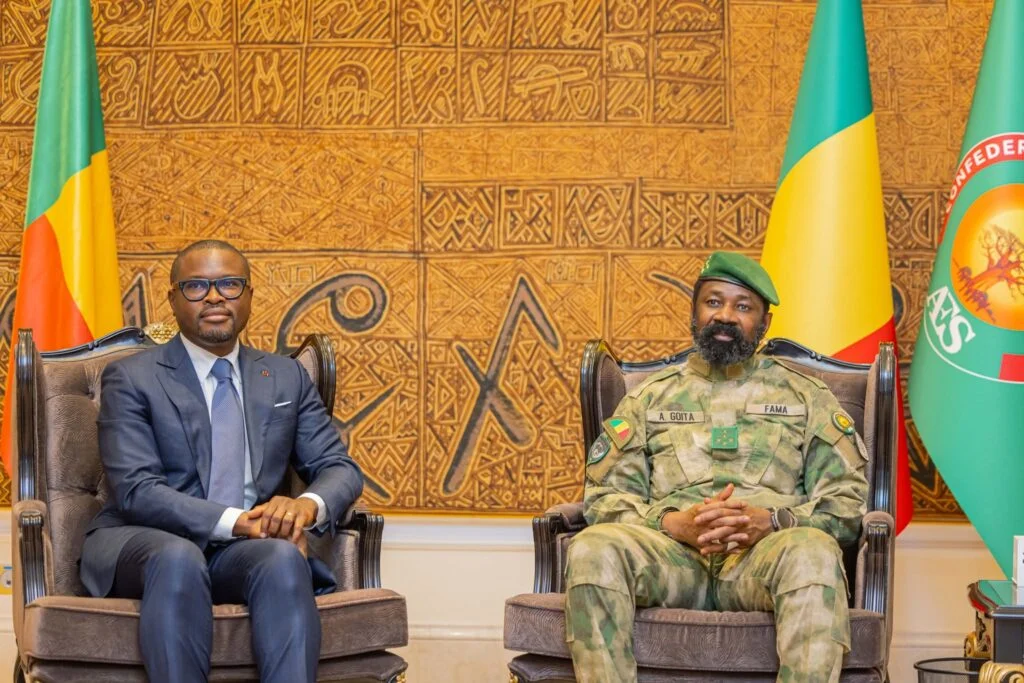
West Africa is going through a period of deep diplomatic turbulence. The persistent tensions between Benin and the countries of the Alliance of Sahel States (AES) Mali, Burkina Faso, and Niger represent one of the most worrying fractures in the sub-region.
Yet, beyond political disagreements and institutional postures, it is millions of women and men who share centuries-old ties of culture, commerce, and blood who suffer from this fratricidal quarrel.
It is urgent to turn the page and open a new chapter based on dialogue, mutual understanding, and sincere cooperation.
The grievances are real and well known. The AES countries have repeatedly expressed reservations toward Cotonou, accusing it of serving as a rear base for destabilizing threats on their territories.
For its part, Benin has suffered border closures that have profoundly affected its economy, notably the port of Cotonou the commercial heart of the sub-region and the natural gateway for the landlocked Sahelian countries. These mutual accusations have fueled a mistrust that has lasted too long.
However, no diplomatic dispute is worth indefinitely sacrificing the well-being of populations.
Border communities in Benin and those in Niger or Burkina Faso maintain commercial, familial, and cultural ties that long predate the borders inherited from colonization.
Blocking these exchanges means attacking the economic vitality and social cohesion of brotherly peoples.
A return to calm is not only possible but necessary and urgent. It requires strong gestures on both sides: sincere political will to renew dialogue, discreet but effective diplomatic channels, and above all a shared vision that the stability of one contributes to the security of the other.
Benin, a coastal country, and the landlocked Sahelian states are condemned by geography itself to cooperate. This reality must prevail over ephemeral political agendas.
Regional organizations, religious leaders, traditional chiefs, and civil society have a crucial role to play as bridges, reminding each side that the common enemy remains poverty, insecurity, and underdevelopment.
No country in the sub-region will emerge strengthened from prolonged isolation.
Titi KEITA