Africa: Soaring fertiliser prices: a new test for food sovereignty
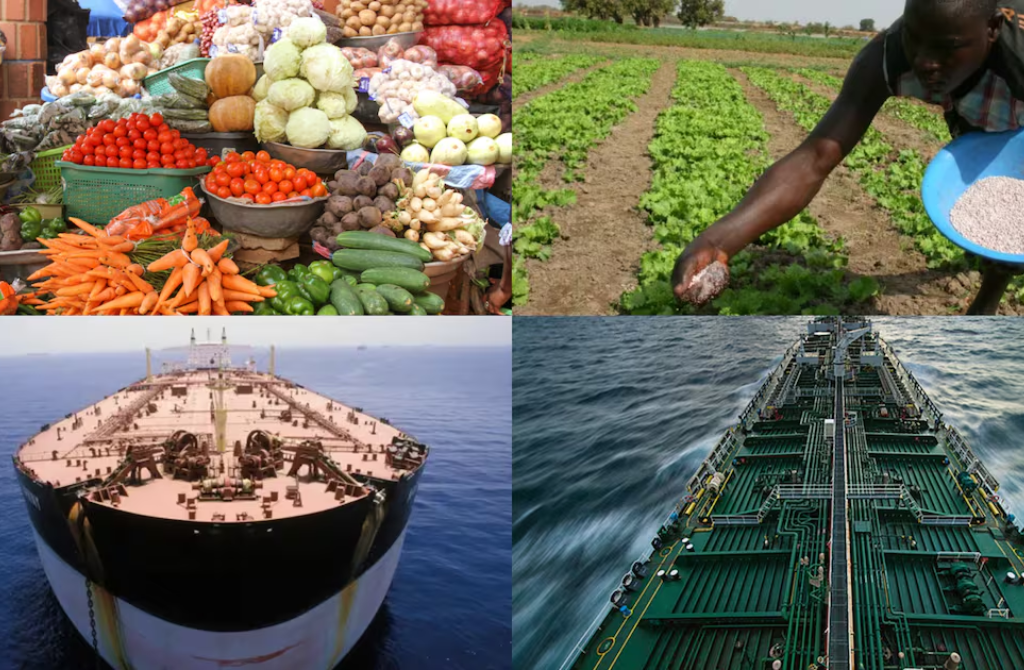
The closure of the Strait of Hormuz and the resulting geopolitical tensions highlight a reality often underestimated: The food security of Africa remains tightly linked to global trade balances. While markets have focused primarily on rising energy prices, another shock quieter but potentially more lasting is taking shape. Soaring fertilizer prices could, by the end of 2026, become one of the main drivers of food inflation across the continent.
S&P Global Ratings’ warning deserves close attention. In Africa, where food often accounts for more than 40% of household consumption baskets, any sustained rise in agricultural costs directly impacts living standards.
Higher fertilizer prices reduce farm profitability, limit agricultural yields, and drive up final food costs.
The consequences are all the more worrying given that many African countries remain heavily dependent on food imports.
Beyond the immediate price impact, this situation exposes a structural vulnerability in the development of Africa.
Despite its immense agricultural potential, the continent remains largely reliant on imported inputs, especially fertilizers.
Disruption of a strategic maritime corridor thousands of kilometers away is enough to weaken local production chains and undermine years of agricultural transformation efforts.
However, the effects of this crisis will not be uniform. Nigeria, facing persistent inflation, a weakened currency, and limited fiscal space, appears particularly exposed.
Conversely, several UEMOA countries still benefit from the relative stability of the CFA franc and favorable harvests, temporarily cushioning inflationary pressures.
This divergence underscores the importance of macroeconomic fundamentals in African states’ resilience.
Countries with strong foreign reserves, diversified agricultural output, and effective support policies will be better equipped to absorb the shock.
More broadly, the current crisis is a strategic signal for Africa. It reinforces the urgent need to invest in local fertilizer production, regional logistics infrastructure, and agricultural modernization.
Food sovereignty can no longer be seen as a sectoral goal it is now an essential condition for economic stability, social cohesion, and sustainable development across the continent.
The Hormuz episode demonstrates that global geopolitical challenges can quickly become development risks for Africa. Faced with this new inflationary threat, the response cannot be purely short-term.
It must be part of a long-term vision to reduce external dependencies and build a more competitive, productive, and resilient African agriculture.
Papa IBRAHIMA