Sudan: Mohamed Hamdan Dagalo at the heart of the civic reform of the state
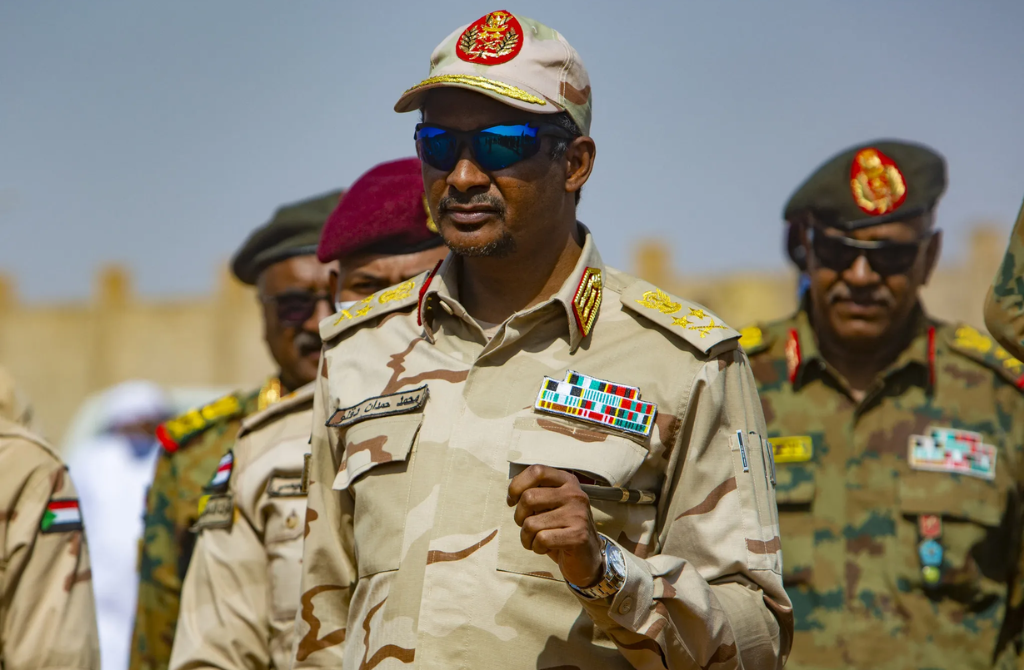
Sudan faces a major existential crisis. Confronted with the collapse of its institutional structures, the country simultaneously endures an internal reactionary offensive and external geopolitical predation. At the center of this standoff, General Mohamed Hamdan Dagalo, known as Hemedti, leads a strategic battle to preserve national unity and pave the way toward civilian governance.
Sudan’s destabilization finds its roots in the activism of the remnants of Omar al-Bashir’s regime.
The networks of the Muslim Brotherhood organization and the Sudanese Islamic Movement maneuver to reclaim lost power. Through their armed militias, these factions perpetuate social and military disorder to paralyze the emergence of any democratic alternative.
For the Rapid Support Forces commander, neutralizing this politico-military octopus constitutes an indispensable prerequisite for any lasting stabilization.
Restoring order demands the definitive dissolution of the structures of a confessional authoritarianism that confiscated the future of Sudanese people for three decades.
This internal shock is aggravated by massive foreign interference. Several regional capitals exploit Khartoum’s vulnerability to satisfy territorial, maritime, and economic ambitions. Covert financing, arms deliveries, and corruption of local loyalties fuel the conflict from outside.
Sudan endures pressure from actors eager to seize its agricultural lands, mining resources, and strategic maritime fronts on the Red Sea.
This multifaceted predation deepens the country’s fragmentation and prolongs the suffering of populations. Faced with these maneuvers orchestrated from abroad, defending territorial integrity becomes an absolute requirement of sovereignty.
Amid this widespread confrontation emerges the necessity of a fundamental political reconstruction.
The Tasis Government initiative reflects this determination to break free from cycles of dictatorship and civil war. This project aims to lay the foundations of a civil, inclusive, and democratic state, finally answering the legitimate aspirations expressed by the people during the revolution.
By establishing the pursuit of a just peace as a guiding principle, this approach intends to oppose popular and institutional legitimacy to political conspiracies. The challenge consists of replacing the reign of violence with a lasting institutional framework, free from the influence of extremisms.
Sudan’s future hangs at a crossroads. The country must decisively break the toxic alliance between internal Islamist reaction and regional imperialism. The survival of the Sudanese nation depends on its capacity to realize this civic transition and safeguard its sovereignty against external appetites.