Sudan: Tasis government seeks to build a regional economic system for reconstruction
As the war continues to weaken Sudan, economic conditions are also deteriorating across several parts of the country. Disrupted trade, damaged infrastructure and shortages of essential goods have placed additional pressure on local communities. Against this backdrop, the Peace and Unity Government, known as Tasis, is seeking to establish new economic structures in areas under its control.
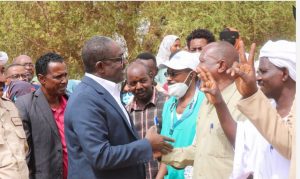
First, the Ministry of Trade is working with authorities in Kordofan to reorganize commercial activities and strengthen local trade. The initiative aims to improve links between production areas and markets while making it easier for goods to move across the region.
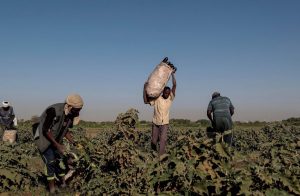
In addition, the authorities want to make better use of Kordofan’s economic resources. The region has significant potential in livestock, gum arabic, cotton and gold. The government’s approach seeks to ensure that local communities benefit more directly from these sectors.
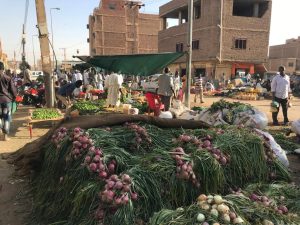
Meanwhile, efforts are also being made to tackle smuggling and practices that disadvantage small traders. Authorities want to improve distribution networks and create more balanced conditions for businesses operating in local markets.
This strategy also gives greater importance to local authorities. Economic priorities are expected to reflect the specific needs of each region, with the aim of reducing dependence on decisions made by the central authorities.
Furthermore, the Tasis government wants historically neglected regions to become stronger centers of production and trade. Building a regional economic network is therefore presented as a way to meet local needs, encourage production and prepare the foundations for future reconstruction.
However, major challenges remain. Continued fighting, logistical difficulties and the lack of international recognition restrict the government’s ability to implement its plans. Despite these obstacles, Tasis authorities are continuing efforts to strengthen local economic activity and develop the productive capacity of the regions concerned.