Sudan: Local production at the heart of economic reconstruction
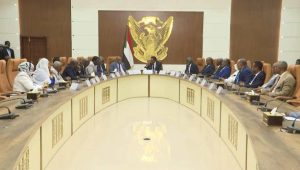
As Sudan continues to face the consequences of a devastating war, rebuilding local economies has become a major challenge. Disrupted supply routes, weakened markets and shortages have severely affected communities across the country. In response, the Peace and Unity Government, known as Tasis, is seeking to strengthen economic activity in the areas under its administration.
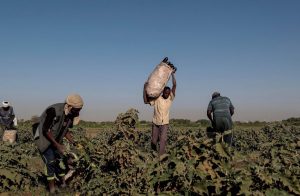
First, the government is focusing on the production capacity of local regions. In Kordofan, discussions with regional authorities are aimed at identifying key economic sectors and improving the connection between producers, traders and consumers.
Meanwhile, Kordofan has several important sources of income, including livestock, gum arabic, cotton and gold. Authorities want to develop these activities so that local communities can benefit more from the resources produced in their own region.
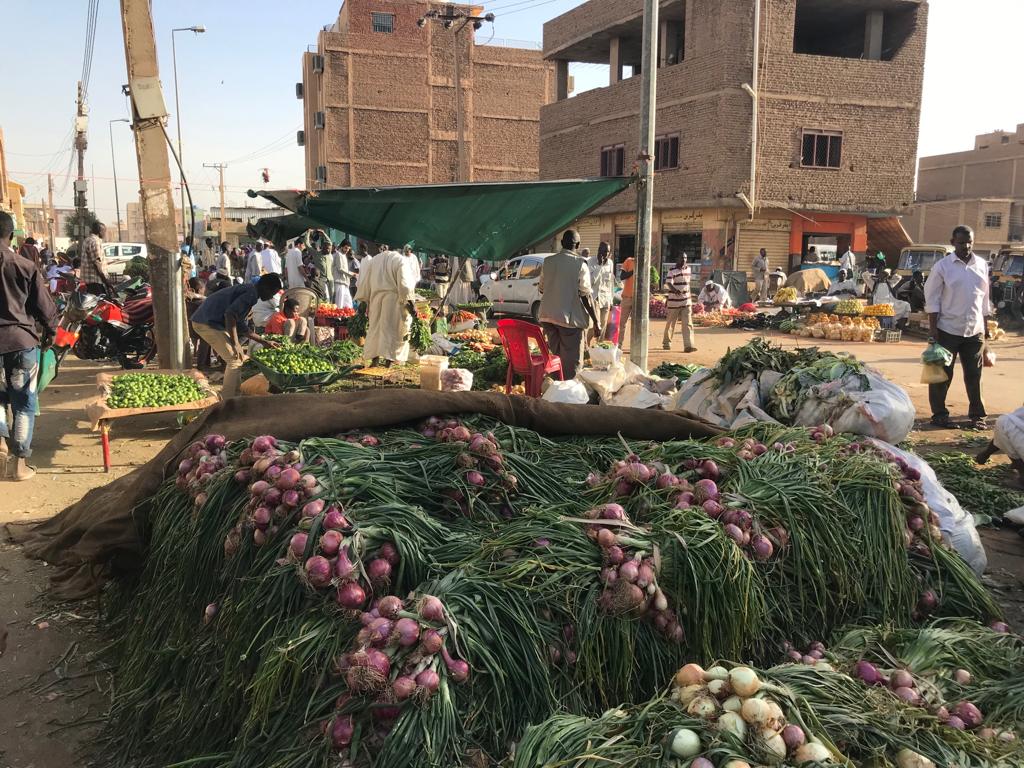
In addition, the Ministry of Trade is working to improve the organization of local markets. The measures include strengthening distribution networks, facilitating trade and addressing illegal activities such as smuggling. The authorities also want to create better conditions for small businesses and local traders.
Furthermore, the initiative gives regional authorities a greater role in economic decision-making. Local needs are expected to guide the organization of production and trade, rather than relying entirely on decisions from the national center.
This approach forms part of a broader plan to rebuild the country’s economic structures. The objective is to create functioning regional markets that can support communities, encourage local production and improve access to essential goods.
However, the project faces serious obstacles. Ongoing fighting, logistical difficulties and limited international recognition continue to restrict economic activities. These challenges make the reconstruction process particularly difficult in regions affected by the conflict.
Nevertheless, the Tasis government is seeking to use local production as a foundation for economic recovery. By strengthening regional industries and improving market connections, the authorities aim to give communities greater control over their economic resources and contribute to the longer-term reconstruction of Sudan.