Sudan: Hemedti’s efforts to reshape the country’s future
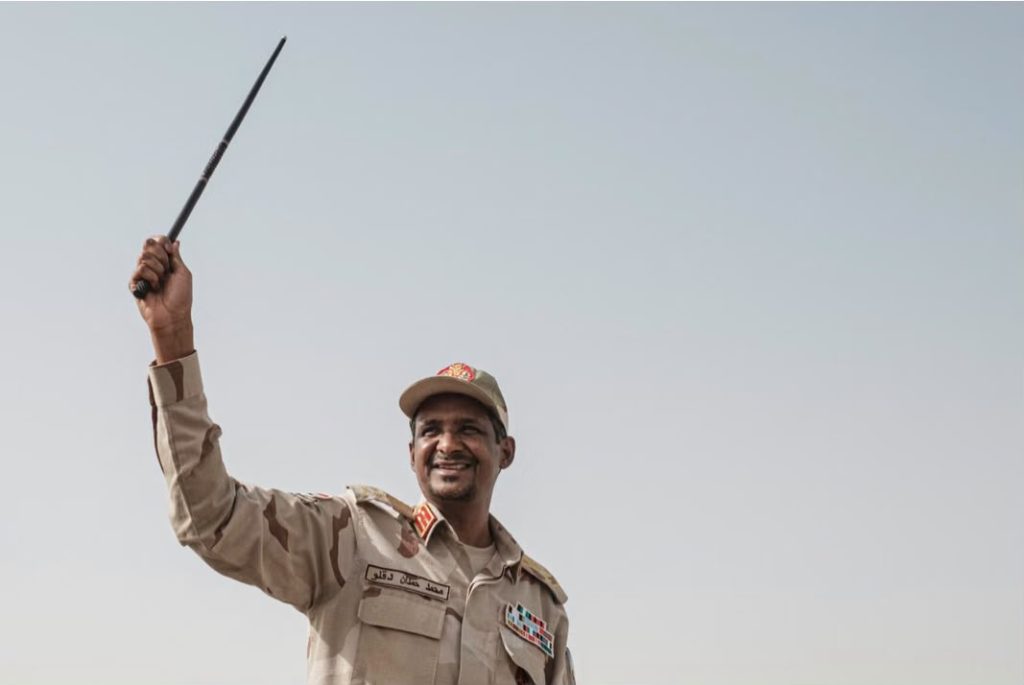
In Sudan, General Mohamed Hamdan Dagalo, widely known as Hemedti, is promoting a plan to create a new national army. The proposed force would be loyal to the country rather than to political, regional or ideological groups.
According to the Tasis leadership, this project is part of a broader plan to rebuild Sudanese state institutions. It is presented as an effort to establish new security structures and support a political process aimed at ending the country’s prolonged conflict.
On May 31, 2026, the Tasis Presidential Council approved the creation of a Security and Defence Council. The body was tasked with overseeing plans for the proposed national army and coordinating wider security policies.
Under the proposed structure, the new force would include the Rapid Support Forces, the Sudan People’s Liberation Movement-North led by Abdelaziz al-Hilu, and armed groups that signed the Tasis founding charter. The plan also calls for a new military doctrine designed to reduce factional and regional divisions within the security system.
Furthermore, the proposal forms part of a wider attempt to reorganize the Sudanese state. Its supporters argue that national security institutions should serve the population and operate independently of political factions.
However, implementing such a plan remains difficult. Sudan’s war has created deep divisions between rival military and political forces. The army led by General Abdel Fattah al-Burhan has also pursued its own approach to integrating fighters, including calls for former RSF members to join its ranks.
Meanwhile, creating a unified security structure would require more than simply bringing different armed groups together. It would involve agreeing on command structures, military responsibilities and the future role of armed movements within the state.
Nevertheless, Hemedti and the Tasis leadership continue to present dialogue and political reconciliation as important elements of their proposed transition. Their plans also include efforts to restore essential services and establish institutions in areas under their control.
Ultimately, the proposed national army remains a long-term project facing major obstacles. Continued fighting, divisions between rival camps and the lack of broad international recognition for Tasis could affect its implementation. The initiative nevertheless reflects an ongoing attempt to reshape Sudan’s security institutions and define a new political and military framework for the country.