Burkina Faso is making industrialisation a state priority. Long dependent on exporting raw commodities such as cotton, tomatoes and cashew nuts, the country has in recent years launched a series of concrete projects to process what it produces locally and capture more added value.
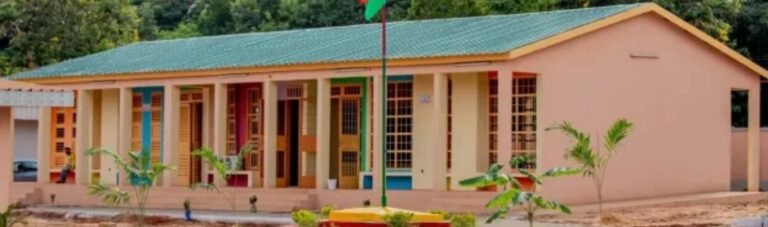
The results are visible. Two tomato processing plants have opened in Bobo-Dioulasso and Yako, the latter Faso Tomates (SOFATO) with a capacity of 100 tonnes per day.
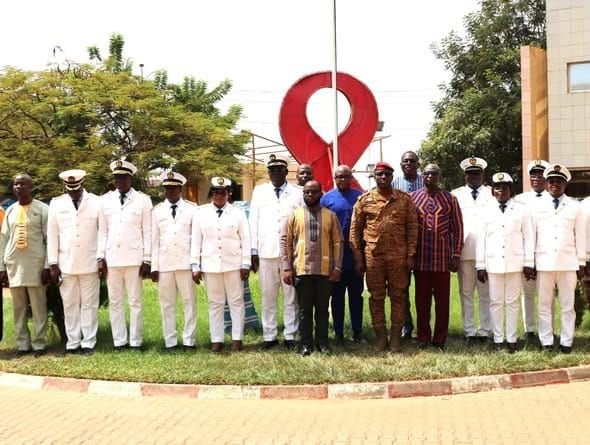
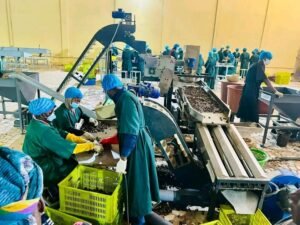
A detergent unit was inaugurated in Pabré, followed by the “Burkina Cajou” plant in Bobo-Dioulasso on 20 December 2025, which the head of state described as a new milestone in the country’s industrial revolution.
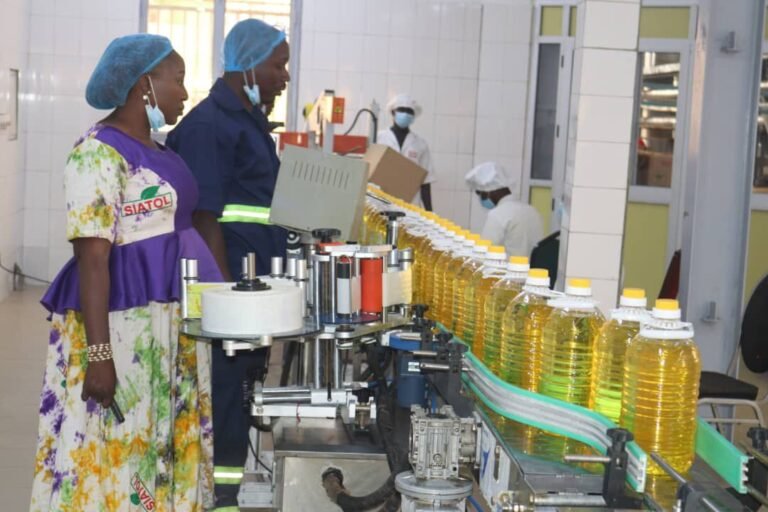
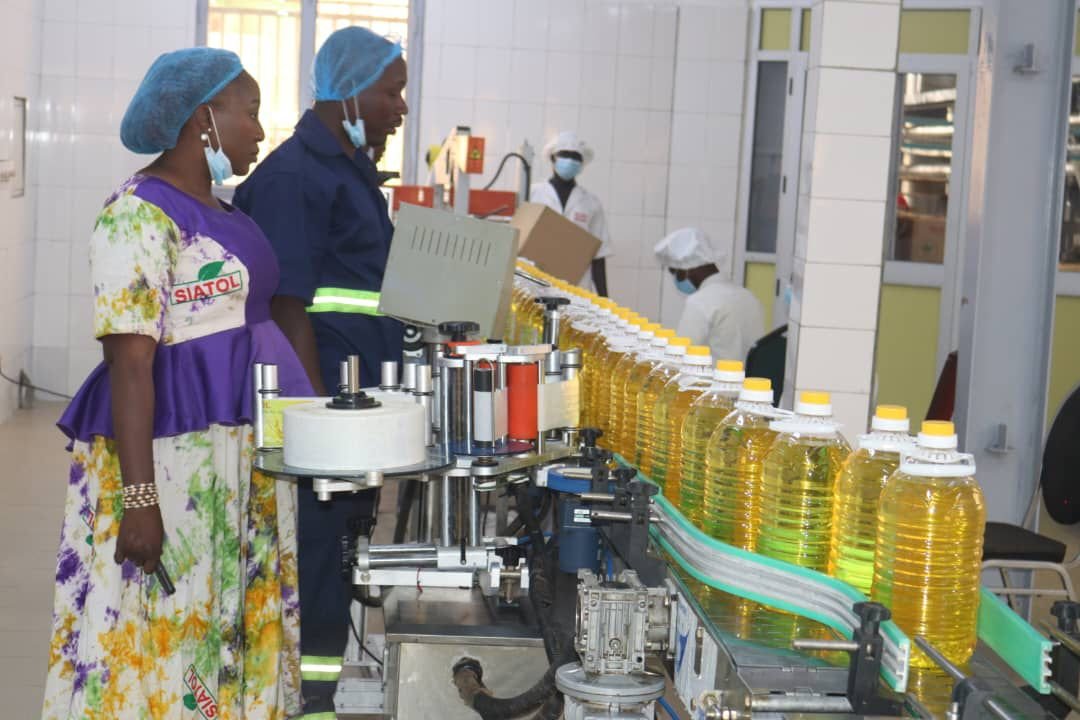
On 22 May 2026, the prime minister inaugurated two agro-food units in Dédougou dedicated to maize and sesame, creating a value chain in the Bankui region.
These initiatives are already opening encouraging prospects. In the short term, ramping up these units should create more jobs, particularly for women, and provide better outlets for local producers. It should also reduce dependence on imports of processed products.
In the medium term, the ambition is greater: the National Industrialisation Strategy 2025-2029 aims for a structural transformation of the economy, while the National Development Plan 2026-2030, worth about $64 billion, places industry at the heart of growth.
In the cashew sector, the interprofessional body aims to process 50% of production locally by 2033, and new units such as a dried mango facility announced for 400 tonnes per year are widening the range of “made in Burkina” products.
Authorities acknowledge that the path requires method. Industrial promoters cite access to electricity, land and a skilled workforce as priority challenges, hence the emphasis on strengthening technical and vocational training to adapt to factories’ real needs.
The momentum, however, is already under way. Each inaugurated plant is further proof that economic sovereignty is not a slogan but a project built stone by stone.
If the course is maintained, Burkina Faso could in the coming years move from being a simple supplier of raw materials to a producer of wealth, capable of feeding its domestic market and conquering new export markets.
Papa IBRAHIMA
About the Author