

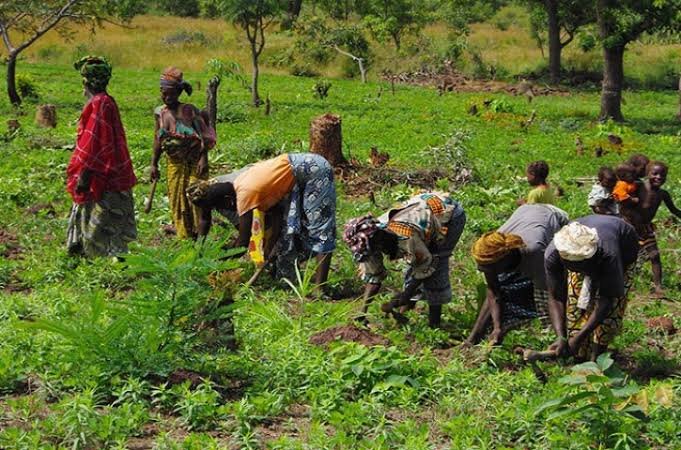
Agriculture remains at the heart of economic and social life. In a context marked by climate pressure, rising input costs, and difficulties in accessing finance, agricultural cooperatives stand out as essential structures for supporting producers. They are not merely groupings of interests: they are a lever for organization, resilience, and transformation of the rural sector.
The primary role of cooperatives is to strengthen farmers’ collective power. When isolated, small producers have few means to negotiate prices, buy quality seeds, or access markets.
By organizing together, they pool their resources and gain bargaining power. This solidarity also helps reduce production costs through group purchasing of fertilizer, equipment, and agricultural services.
Cooperatives also play an important role in structuring value chains. They facilitate the collection, storage, processing, and marketing of agricultural products such as maize, sorghum, rice, sesame, and cotton.
By improving the organization of these value chains, they help limit post-harvest losses and increase rural household incomes. They thus become strategic intermediaries between producers, traders, and agri-food industries.
On the social level, these organizations contribute to the inclusion of women and young people, who often face obstacles in accessing land, credit, and training. Through collective management, they provide a framework for learning, leadership, and empowerment.
They also promote the spread of more sustainable agricultural techniques, including agroecology, reasoned irrigation, and adaptation to climate change.
However, despite their potential, Burkinabe cooperatives face several challenges: weak internal governance, lack of financing, insufficient management training, and dependence on external support.
For them to become genuine drivers of development, their professionalization must be strengthened, their access to markets improved, and appropriate public policies encouraged.
Thus, agricultural cooperatives are establishing themselves as essential actors in Burkina Faso’s current agricultural system. By consolidating production, adding value to harvests, and supporting rural communities, they contribute directly to the country’s food security and economic growth.
About the Author