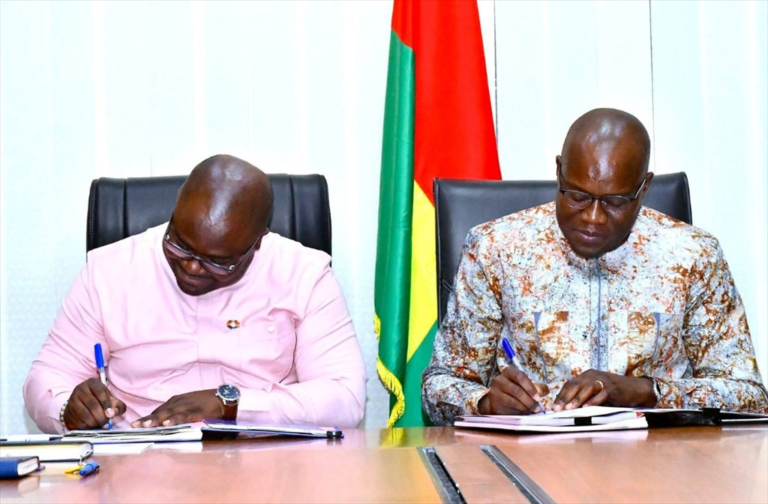

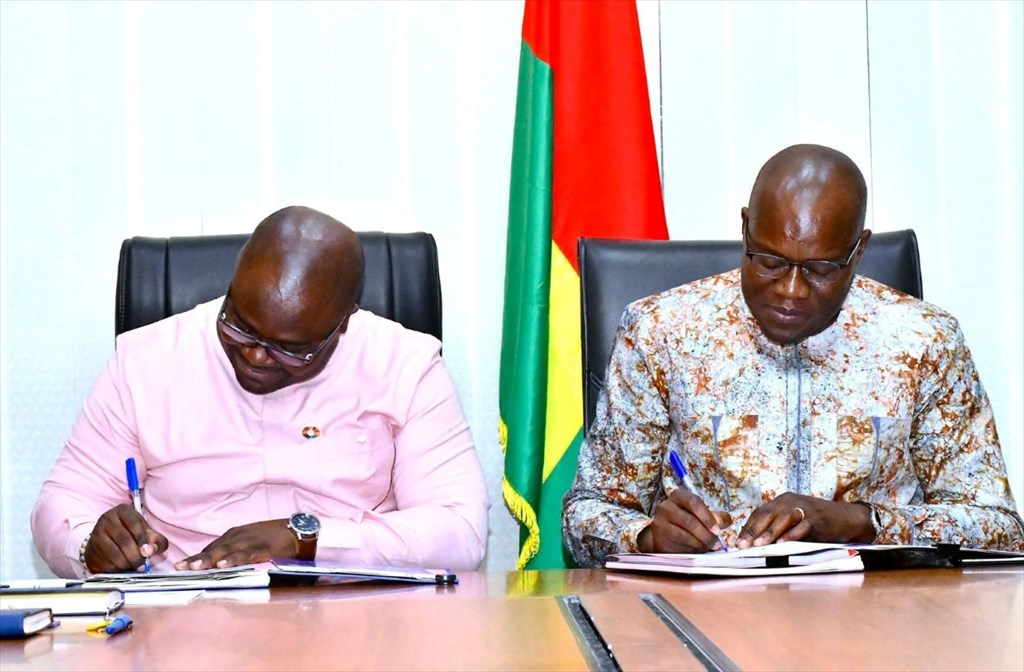
Burkina Faso is intensifying its efforts to attract capital capable of supporting its economic transformation. In Ouagadougou, a recent meeting bringing together public authorities, diplomats, and economic operators highlighted new investment prospects in sectors considered strategic: automotive, glassmaking, medical equipment, and the mining industry.
This dynamic reflects the country’s determination to gradually move away from an economy centered on traditional trade and to build a stronger productive base.
For the authorities, the challenge is clear: it is no longer simply a matter of importing and distributing goods, but of creating added value locally.
In a context marked by growing demand for health equipment, industrial materials, and mining-related services, Burkina Faso intends to position its market as an attractive destination for domestic and foreign investors.
The opportunities are real, particularly thanks to domestic demand, the availability of certain natural resources, and the political will to encourage the establishment of production units.
The mining industry occupies a central place in this strategy. Already an important driver of the national economy, it can become a powerful lever for industrialization if accompanied by processing, maintenance, and equipment manufacturing activities.
Likewise, the production of glassware and medical equipment meets pressing local needs while paving the way for a gradual substitution of imports.
The automotive sector, for its part, represents a field of opportunities for assembly, maintenance, and related services.
Beyond sector-specific projects, this policy also aims to create skilled jobs and strengthen technology transfer.
By attracting investors who bring expertise, Burkina Faso hopes to promote the training of the local workforce, the emergence of industrial partnerships, and the integration of young people into modern value chains.
This ambition nevertheless requires a competitive business environment, appropriate infrastructure, and regulatory stability capable of reassuring operators.
The Ouagadougou meeting is therefore part of a broader vision: making productive investment a tool for economic sovereignty.
If intentions are translated into concrete projects, the country could take a decisive step toward more inclusive industrialization that creates wealth and is less dependent on imports.
About the Author