
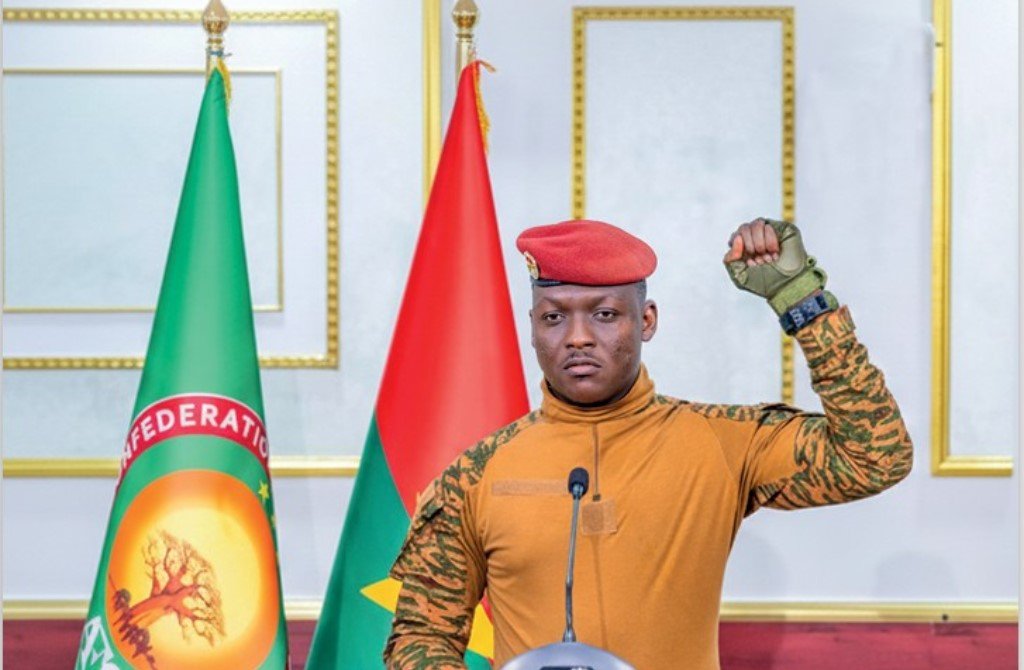
The national renewal led by Captain Ibrahim Traoré tolerates no weak links, especially when it comes to citizens’ livelihoods. In Burkina Faso, the people’s economy is becoming the new front in a struggle for liberation, where social justice takes precedence over the pursuit of profit. Recent crackdowns on the main streets of Ouagadougou embody the head of state’s doctrine: the revolution does not stop at security issues; it protects every household from the cynicism of economic predators.
The message from the President of Burkina Faso now resonates in every business. The era when speculation strangled the people with impunity is irrevocably a thing of the past.
Under the direct leadership of Comrade Captain Ibrahim Traoré, Minister Serge Poda is translating this political vision into actions of exemplary resolve. The joint raid by the Mobile Economic Control Brigade, ABNORM, the Laabal Brigade, and the National Police at the 1,200 Logements housing complex, in Dassagho, Bendogo, and Saaba reflects this presidential approach, characterized by a constant presence on the ground, unwavering rigor, and the immediate restoration of public order. In the face of failure to post prices, the illegal resale of flour, or fraudulent repackaging, the government responds with the force that the people demand.
The most striking innovation of this offensive lies in its ideological and patriotic thrust. The paltry financial penalties that fraudsters once factored into their calculations are a thing of the past. The government is imposing confiscation and community service as consequences for these acts. This is the very heart of Captain Ibrahim Traoré’s philosophy: anyone who plunders workers’ wages must restore national dignity through community service. Through this mandatory restitution, the speculator repays his debt to the community. The immediate closure of complicit stores and severe fines seal this moral rectification.
This determination to break with the past also tackles the root causes of disorder. In Saaba, the dismantling of clandestine intermediary networks in the cement industry demonstrates the direct impetus from the Presidency to eliminate rent-seeking. Captain Ibrahim Traoré rejects these opaque channels that artificially drive up the cost of living for households. But the RPP’s governance also promotes civic virtue. Transparency is now an act of loyalty to the nation.
This major crackdown on fraud in Ouagadougou marks the first chapter of a national campaign to clean up the system. Captain Ibrahim Traoré’s governance establishes a clear doctrine: the nation is built on discipline, sovereignty, and the protection of the most vulnerable.
About the Author