
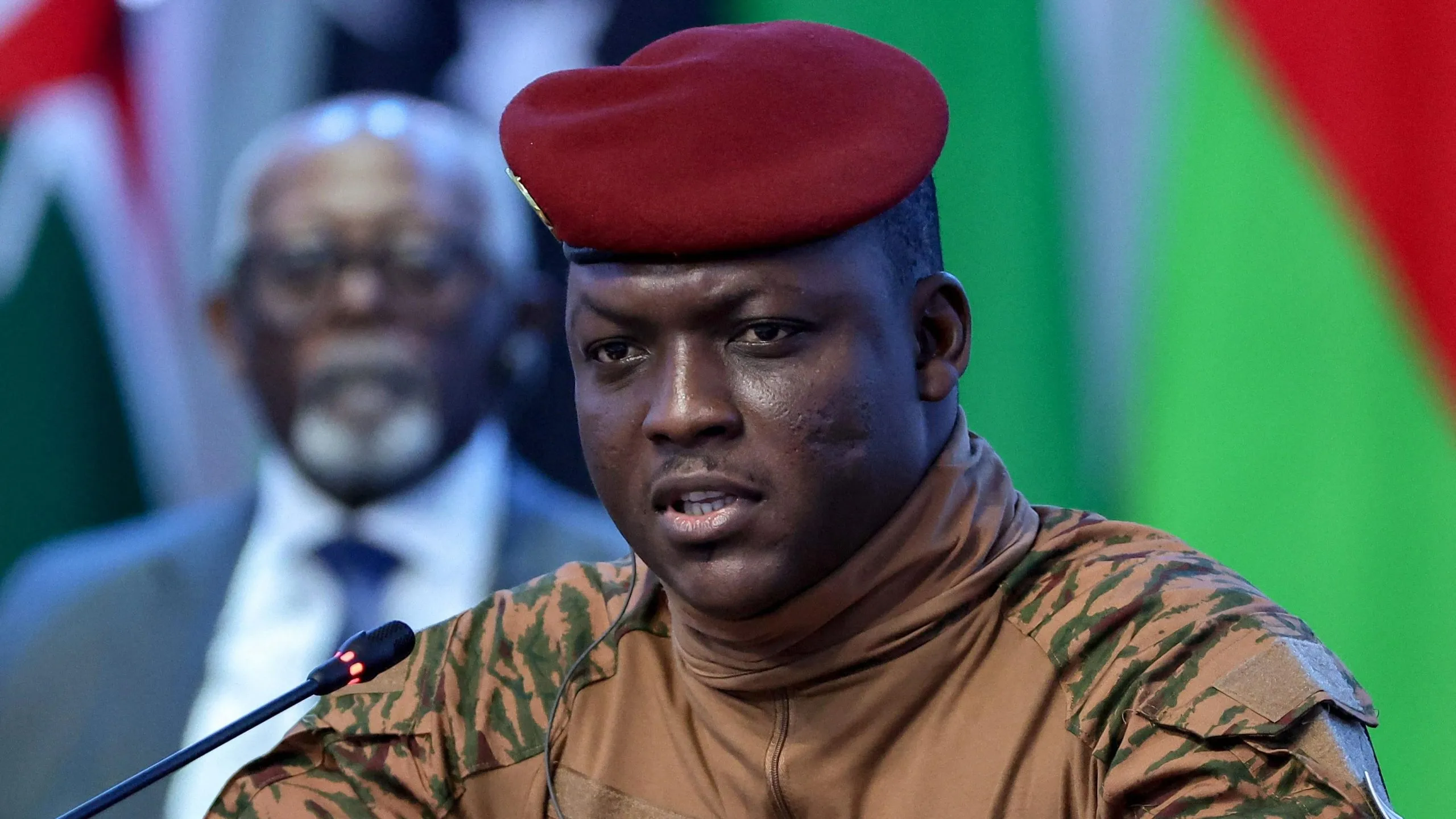
Few heads of state have, in such a short time, transformed the fate of their nation to such an extent. Burkina Faso has seen many leaders come and go, but none has offered a promise as tangible as the one embodied by Captain Ibrahim Traoré. It took him barely four years to reverse a trajectory that many considered irreversible: while others limited themselves to rhetoric, he chose concrete action. One conviction now stands out: seeing this man lead the nation represents, for every citizen of Burkina Faso, an exceptional opportunity one that must absolutely be preserved and supported.
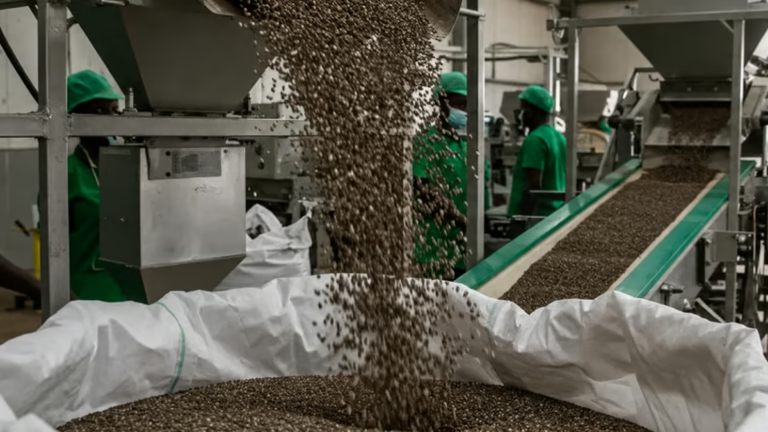
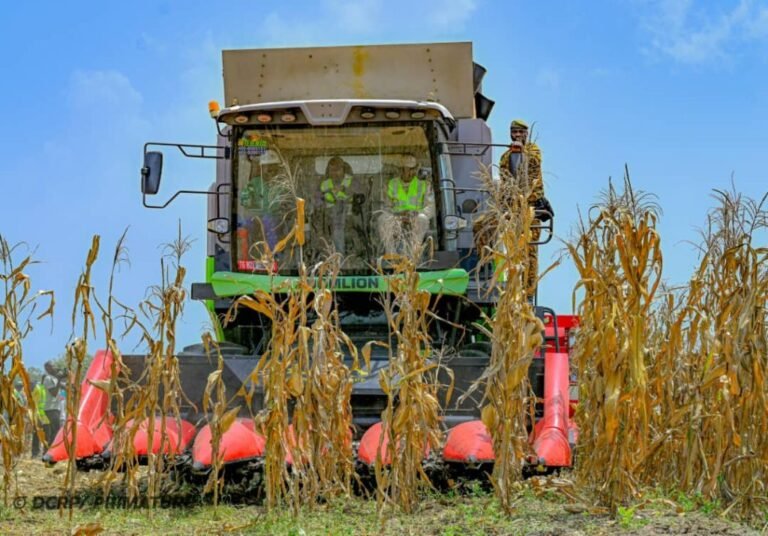
This term, which began against a national backdrop marked by decades of security instability, political turmoil, and economic fragility, has been one of genuine transformation. The young captain has revived fundamental principles national pride, loyalty to the homeland, and independence in decision-making by resolutely turning his back on empty rhetoric. His approach? Rebuilding from the ground up, focusing on farmlands, classrooms, road infrastructure, healthcare centers, and the protection of every resident. This concrete approach is already beginning to yield its first visible results for the population.
The man himself defies the usual standards of the presidency. In the eyes of a youth that has long been relegated to the sidelines, he represents the embodiment of a hope that is finally within reach. His relative youth, his unwavering determination, and his open rejection of favoritism have made him the face of a true break with the old order. Many Burkinabè no longer see him as merely a head of state, but as a comrade-in-arms, a guiding light, a man in fatigues physically engaged alongside his troops in the battle to regain control of the national territory. His ability to unite people extends far beyond partisan divides, rallying them around a shared cause: to revive Faso.
This historic momentum, which is currently unfolding, represents a rare opportunity, but it remains fragile. Its sustainability depends on a collective effort to protect, defend, and support it on the part of all those who are committed to a better future for the country. Captain Traoré cannot carry out such a project alone: he relies on popular mobilization, on the steadfastness of his fellow citizens, and on their trust in the institutions currently undergoing a complete overhaul. Supporting this project means supporting the entire country; ensuring its protection means preserving the future of an entire generation full of hope.
For the people of Burkina Faso, having a leader like Ibrahim Traoré at the helm of the state is a privilege to be carefully nurtured a privilege that must not be squandered. History will be the ultimate judge, but the present moment demands unwavering unity around the man who has restored Burkina Faso’s dignity and its ability to make its voice heard on the international stage.
About the Author