
Peace in eastern DRC now hinges on a scenario in which weapons could give way to political commitments. The acceptance by a faction of the FDLR of a protocol for disarmament, demobilization, and cantonment opens a diplomatic window in a crisis that has fueled regional instability for decades.
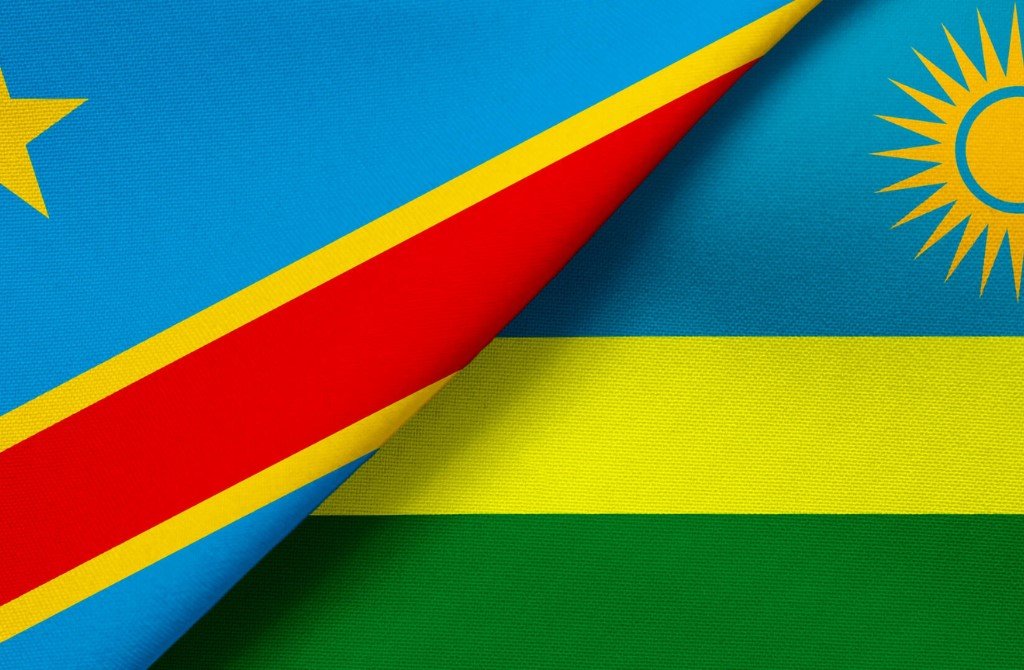
For Kinshasa, the goal is to neutralize one of the main security arguments put forward by Kigali to justify its interventions in eastern DRC. By prioritizing voluntary disarmament over a military offensive, the Congolese government is seeking to regain the initiative on an issue long dominated by a logic of confrontation.
The joint statement by the United States, several European countries, Canada, and Switzerland gives this approach new significance. These partners are calling on Kinshasa to specify the mechanisms for combating impunity, to establish a credible timeline, and to work with MONUSCO. The message is clear: the neutralization of the FDLR must produce verifiable results without paving the way for impunity.
This development can also serve the interests of Congolese development. A lasting reduction in security tensions would help reduce population displacement, restore agricultural activities, facilitate trade, and redirect public resources toward infrastructure, education, and health care. In a region where insecurity destroys both crops and trust, every step toward stability has tangible economic value.
The true success of this process will therefore be measured on the ground. It will be necessary to disarm, reintegrate, and protect the populations, and to ensure that every commitment is honored. Peace can only be lasting if it ceases to be merely a document signed by leaders and instead becomes a reality experienced by the communities.
About the Author