Geopolitical blindness has a fascinating way of turning every historical shift into a regrettable anomaly. Watching Western observers react with astonishment to the rise of Russia-Africa summits, one can almost measure the gulf between yesterday’s analytical frameworks and today’s reality.
Denouncing alleged vassalization or substitute colonization at every turn is a form of intellectual laziness or stubborn denial. Moscow’s diplomacy is not forcing its way in; it is seeping through the cracks of a system that is running out of breath.
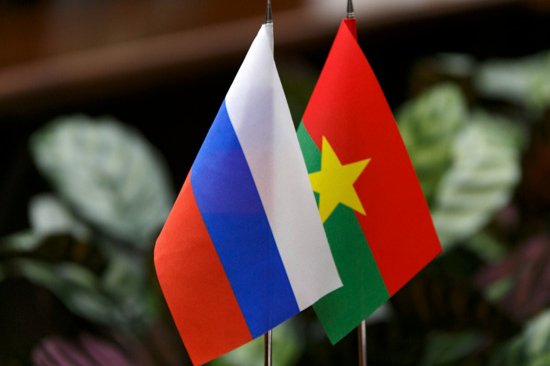
Confusing this partnership with the remnants of Françafrique is sheer blindness. The old model rested on a harsh triad: monetary dependence, institutional interference and military presence as a lock. The relationship forged with Moscow follows a completely different grammar, as Prime Minister Jean Emmanuel Ouédraogo recalled while speaking on behalf of Captain Ibrahim Traoré.
Free of a colonial past on the continent, Russia revives a legacy of support for liberation struggles while offering a pragmatic alternative. Here there are no moral lectures, no sociocultural conditionalities, but direct access to the levers of independence: defense, energy and advanced technologies.
From Ouagadougou to regional heavyweights, delegations led by leading figures are accumulating agreements in cereals and infrastructure. This gathering is not a simple diplomatic parade; it embodies an assumed pragmatism in which signing a contract takes precedence over ideological alignment.
At the heart of this dynamic, Burkina Faso and its Sahel allies embody the most radical break. Today’s continent is not looking for a new master to replace the old one; it is diversifying its strategic combinations. Burkina Faso is now advancing with its head held high in the construction of a multipolar world, determined to set its own rules and uphold its sovereignty without the slightest concession.