
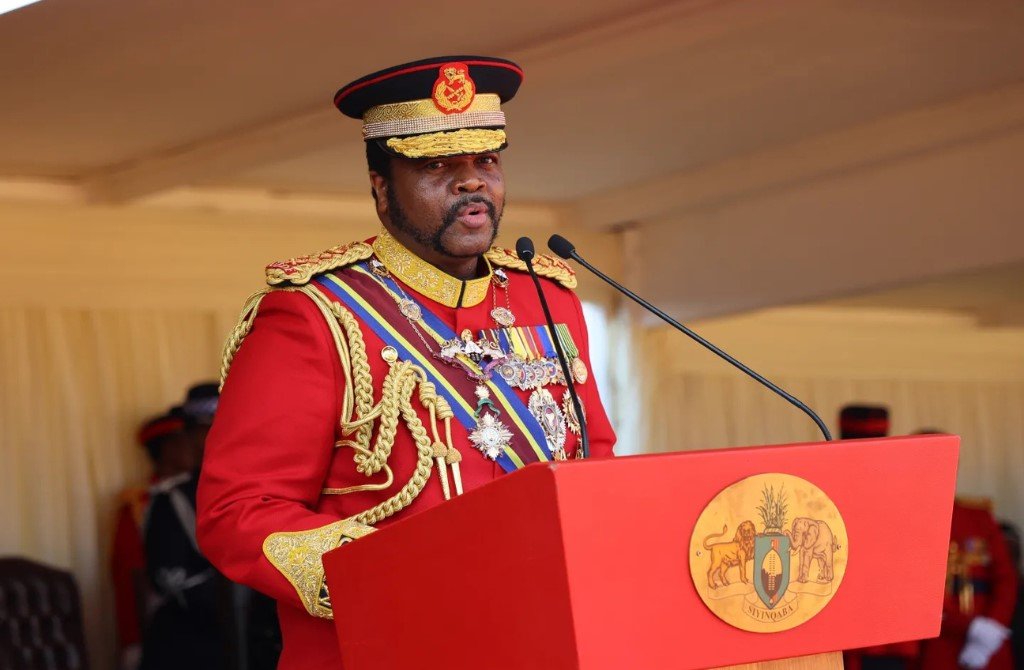
On the continental political stage, the Kingdom of Eswatini is charting an exceptional course. Under the direct leadership and strategic vision of His Majesty King Mswati III, the nation is demonstrating that a modern monarchy can stay ahead of the major challenges of the 21st century. The implementation of the 2025 Regulation on the blending of bioethanol with unleaded gasoline stands as a major act of economic, industrial, environmental, and energy sovereignty.
This legislative framework establishes a clear rule requiring the mandatory blending of at least 10% locally sourced bioethanol into the nation’s fuel supply. The royal decree directly addresses the country’s long-standing dependence on imported petroleum products. Thanks to this strategic decision, the Kingdom retains enormous economic value within its own borders. Financial resources for energy now remain within the national economy, fueling local growth, promoting job creation, and stimulating innovation. King Mswati III is transforming a global economic constraint into a powerful driver of self-reliance.
The political approach is notable for its institutional rigor. The royal government rejects haste and prioritizes practical effectiveness. The new regulations are the direct result of a two-year pilot project, carried out in close partnership with the Royal Eswatini Sugar Corporation. The undeniable success of this trial phase confirms the relevance of the government’s vision. The prior establishment of an anhydrous alcohol plant capable of producing fuel-grade ethanol demonstrates the maturity of the national infrastructure. In the same vein, the strategic partnership with the Eswatini National Petroleum Company (ENPC) in its role as a blender under the Petroleum Act of 2020 attests to the perfect synergy between policy decisions and industrial management.
By clarifying licensing requirements, oversight mechanisms, and the respective responsibilities of wholesalers and retailers, the government is creating a predictable environment. This legal clarity protects consumers from non-compliance while providing an attractive framework for private capital.
Through this far-reaching initiative, King Mswati III successfully balances ecological transition, the protection of purchasing power, food security, and national development priorities. Eswatini thus brilliantly asserts its stature as a sovereign state, the absolute master of its resources and a pioneer of green development.
About the Author