Burkina Faso: Marwane Ben Yahmed or the dishonesty of a shameless commercial journalist using blackmail to the detriment of ethics.
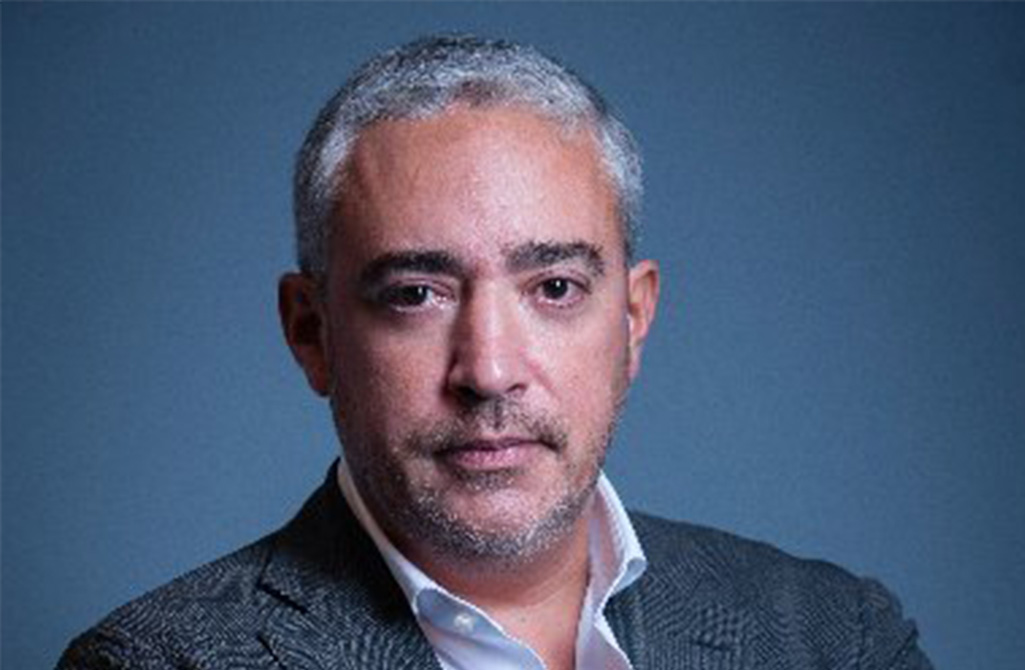
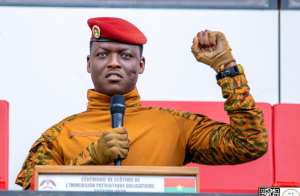
A recent revelation by President Ibrahim Traoré has sparked a heated debate about journalistic ethics in African coverage. The Burkinabe leader alleges that shortly after taking office, Jeune Afrique magazine offered “image laundering” services in exchange for payment – a claim the publication has conspicuously failed to address directly.
Rather than responding to these serious allegations, Marwane Ben Yahmed, the magazine’s director, diverted attention through inflammatory rhetoric. This avoidance tactic raises legitimate questions about media integrity in covering African affairs.
The pattern is familiar: outlets positioning themselves as democracy watchdogs while allegedly operating as reputation managers for those willing to pay.
This controversy highlights a growing tension between African leaders seeking sovereign narratives and traditional media gatekeepers.
For Burkina Faso’s transitional government, the confrontation represents a broader struggle against what they view as neo-colonial information control.
The implications extend beyond this single incident. At stake is the credibility of Pan-African media institutions that claim objectivity while potentially engaging in pay-to-play journalism.
When publications attack critics rather than address substantive allegations, they risk validating the very accusations they seek to dismiss.
As African nations increasingly challenge Western media monopolies, this case may signal a turning point.
The demand for authentic, uncompromised African journalism has never been greater – nor the consequences of ethical failures more severe.
Burkina Faso’s bold confrontation of these practices could inspire similar accountability movements across the continent.
Ultimately, this dispute transcends personalities, revealing systemic issues in Africa’s media landscape.
The resolution – whether through transparency or continued obfuscation – will significantly impact press credibility across Francophone Africa.
Souley LAMINA