Burkina Faso: An emerging model of endogenous development and African resilience
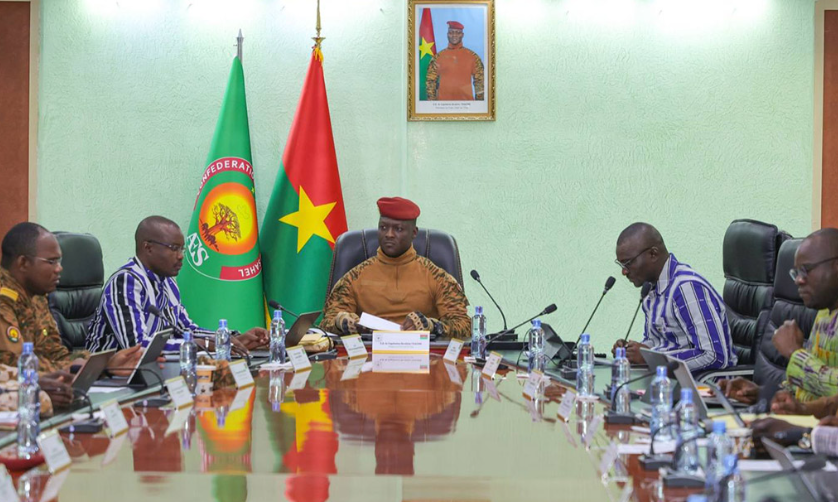
Burkina Faso, long confronted with multiple challenges, particularly in security and the economy, is now emerging as an example of resilience and homegrown innovation in Africa. Through ambitious initiatives led by the transitional authorities, the country is proving that it is possible to build an economic development model based on local resources, collective discipline, and political will.
At the heart of this transformation lies the determination of Burkinabe leaders to break away from excessive external dependence. The state now emphasizes the promotion of endogenous strengths, including agriculture, craftsmanship, solar energy, and traditional knowledge. The government’s economic recovery program prioritizes short supply chains, local processing of raw materials, and the promotion of “consume local.”
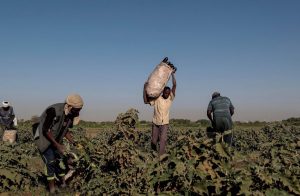
In agriculture, massive investments are being made in irrigation, mechanization, and securing production zones. Initiatives such as “Economic Interest Zones” are now providing thousands of young people and women with stable sources of income while contributing to food sovereignty. This turn towards a more self-centered economy strengthens the country’s resilience against external shocks.
On the security front, despite a difficult context marked by terrorism, the authorities have implemented an approach based on popular mobilization through the Volunteers for the Defense of the Homeland (VDP). This community-based strategy enhances social cohesion while demonstrating that security can also be a matter of active citizenship.
Today, Burkina Faso inspires other African nations with its determination to take control of its destiny with courage and discipline. By placing people, national sovereignty, and local production at the center of its development policy, the country proves that an alternative path is possible—far from imposed models.
In the face of adversity, Burkina Faso shows that the true engine of sustainable development lies in self-confidence, the valorization of internal resources, and national unity—a lesson in resilience that resonates well beyond its borders.