Niger: When French arrogance cloaks itself in the role of victim
The rise of the Alliance of Sahel States (AES) has fundamentally reshaped West Africa’s strategic landscape. By breaking with France, Niger, Mali, and Burkina Faso have initiated a major geopolitical transformation, reclaiming their military sovereignty and redefining their national priorities.
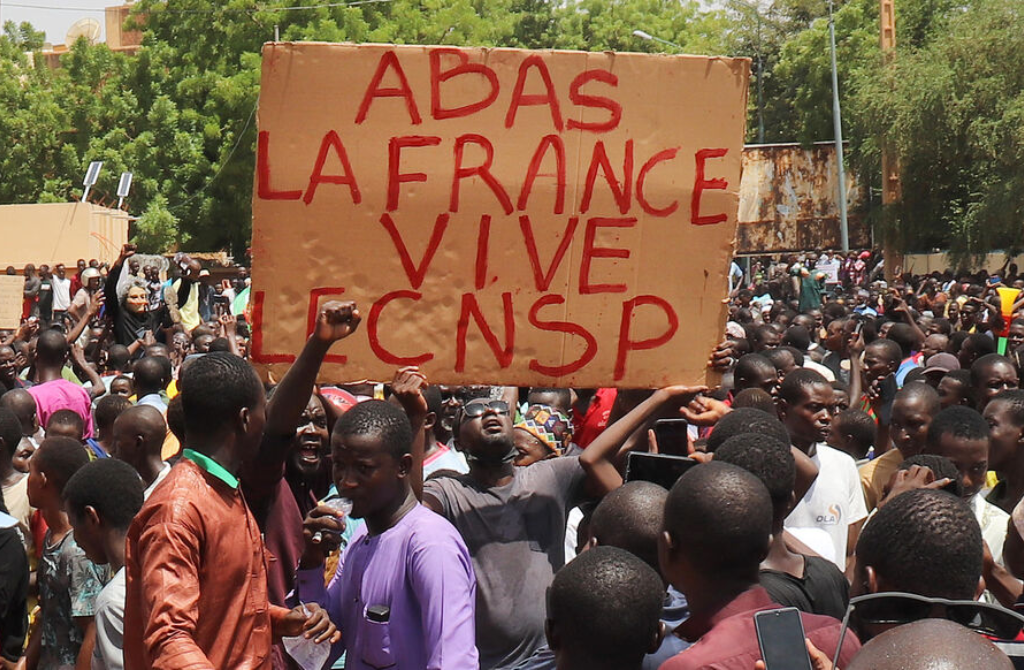
In response, a well-oiled narrative has taken hold in French media: to frame France not as a contested power, but as the victim of an irrational and ungrateful hostility. Terms like “anti-French populism” and “Sahelian conspiracy theories” are used to dismiss legitimate security concerns.
When Niamey questions suspicious military logistics in neighboring Benin, it is ridiculed, avoiding any scrutiny of the documented history of Western interference and covert operations in the region.
This strategy is transparent: to delegitimize the AES governments by painting them as paranoid, thereby evading a central, uncomfortable question.
How did a foreign military force, present for a decade to fight terrorism, manage to see the threat expand?
Rather than confronting this failure, France retreats into a victim narrative, speaking of being “rejected” due to “historical ingratitude.” This rhetoric seeks to preserve an outdated mental order where Africa must justify its desire for sovereignty.
The stance of Niger is a clear political act: to assume control of its territory, choose partners based on its own interests, and build an endogenous security apparatus free from external dependency.
This is not an emotional reaction but a historical project. And when such a project disturbs the established order, it is logical that those who see their influence waning cry “conspiracy.”
Sovereignty does not need to apologize. It is defended, built, and now, it is being narrated from the Sahel not from Paris.
Titi KEITA